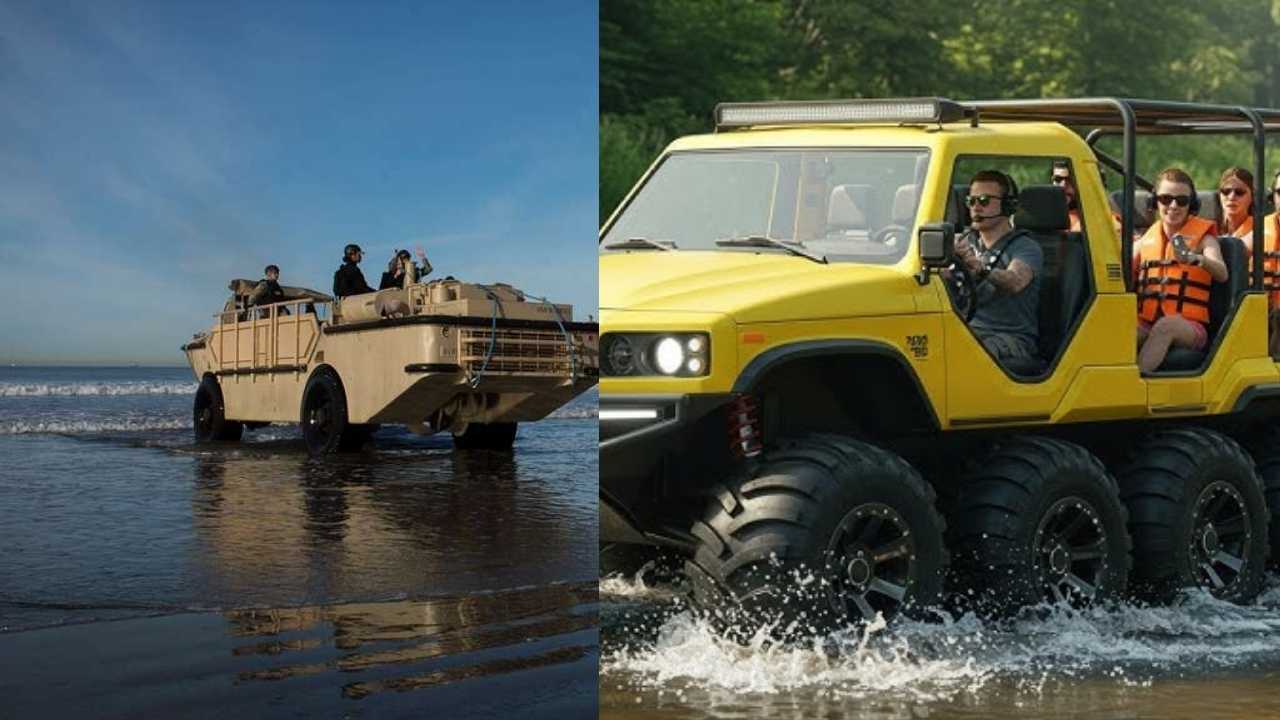
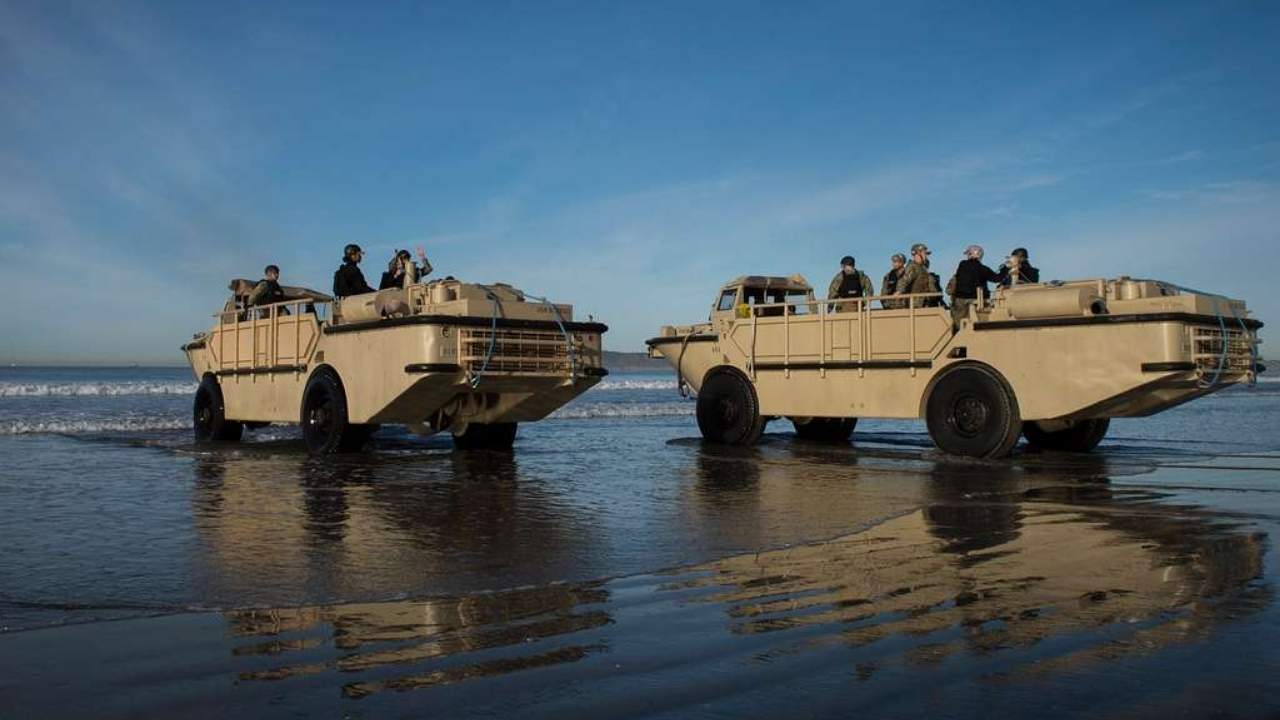
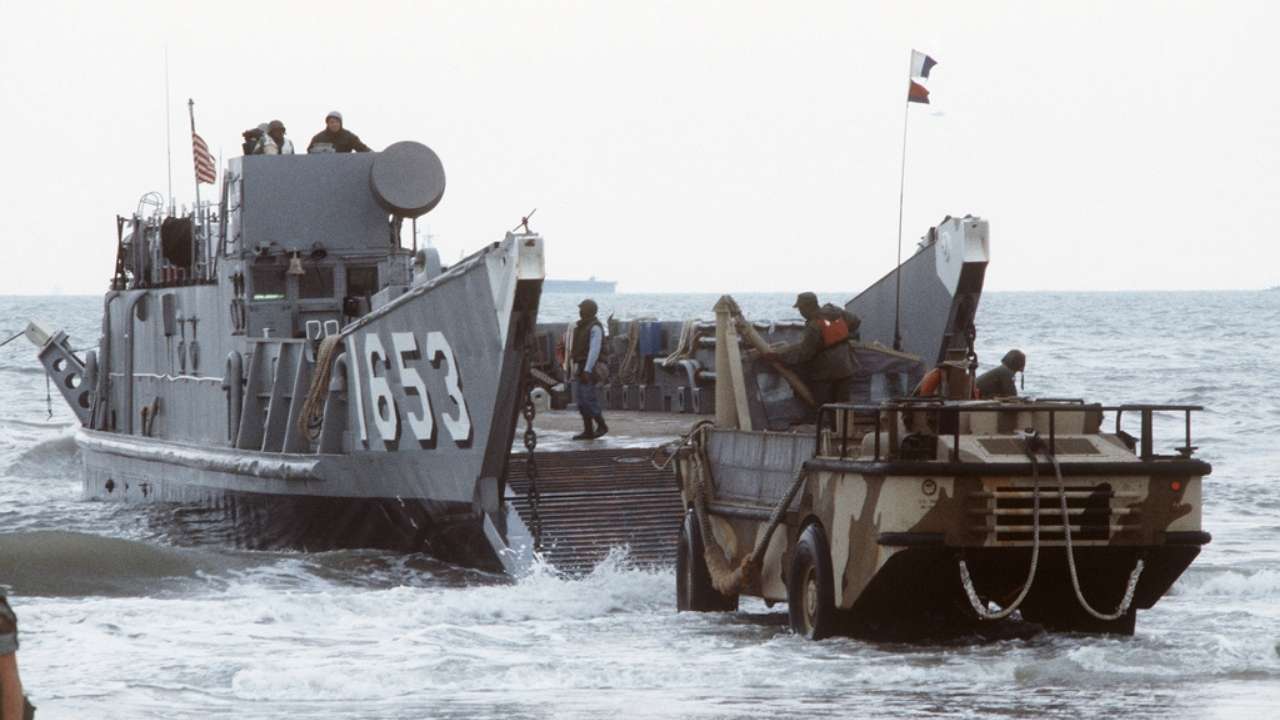
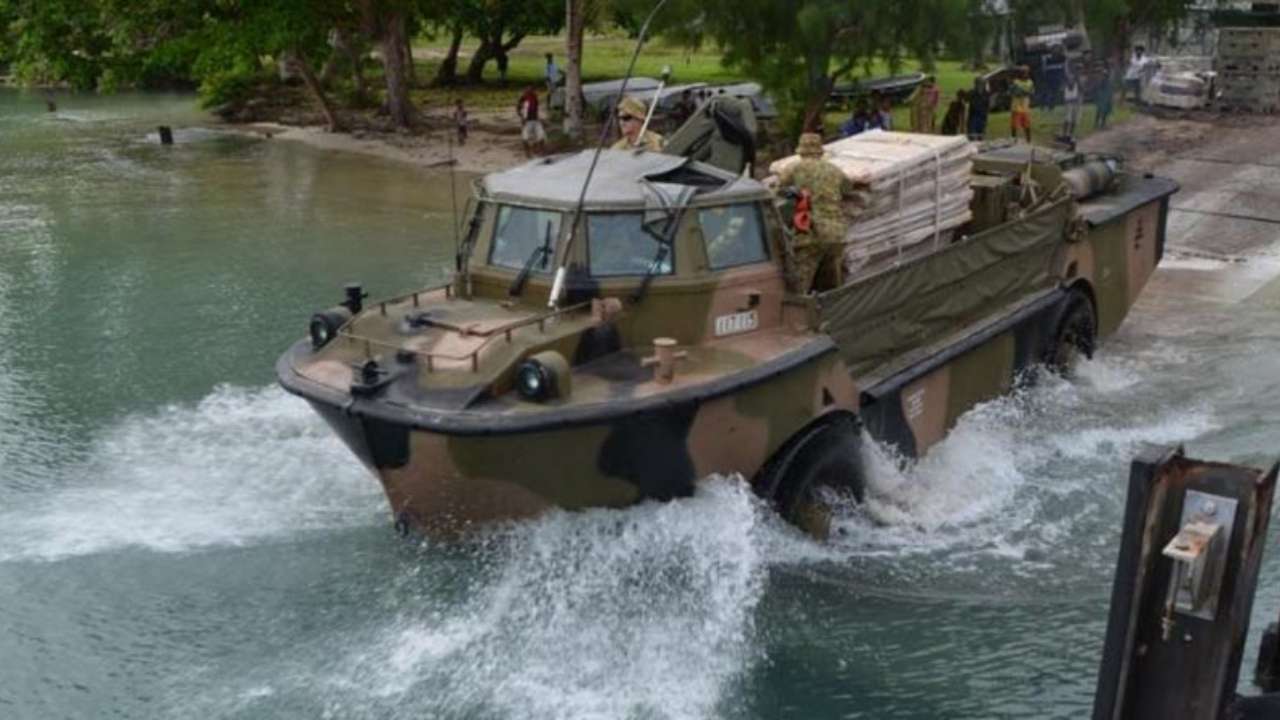
LARCs were once large military machines built to move heavy loads across shorelines, shallow water, and rough ground. They were not stylish vehicles, but dependable tools created for difficult environments and steady work.
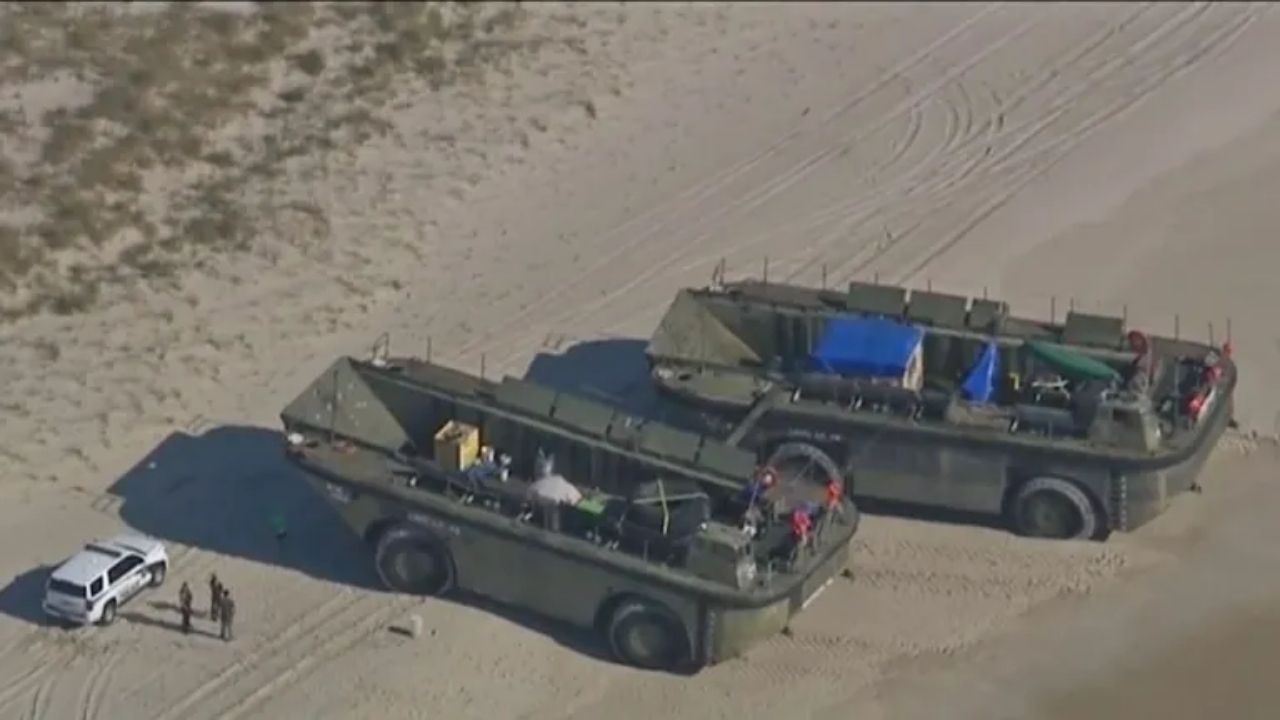
When their time in military service came to an end, many people assumed these vehicles would get abandon or dismantled. Instead, several LARCs quietly remain, waiting for new roles beyond military boundaries.
Their transition into civilian life was slow and practical. Retired LARCs did not attract headlines, but they gradually found new uses, showing that usefulness does not disappear when uniforms and bases are left behind.
From Military Duty to Civilian Use: The LARC Story
LARCs were phase out as military transport needs changed over time. Newer equipment replaced them and maintaining older vehicles became less practical for active service.
After retirement, many LARCs were stored, reviewed, or sold rather than destroyed. Their solid construction made them too valuable to discard immediately.
The Path from Military Ownership to Civilian Use
The move from military ownership to civilian use happen through organized sales and transfers. These vehicles were offered to groups willing to manage their size and upkeep.

Some buyers recognized that LARCs could solve problems in places where roads, docks, or boats alone were not enough. This practical advantage drove interest.
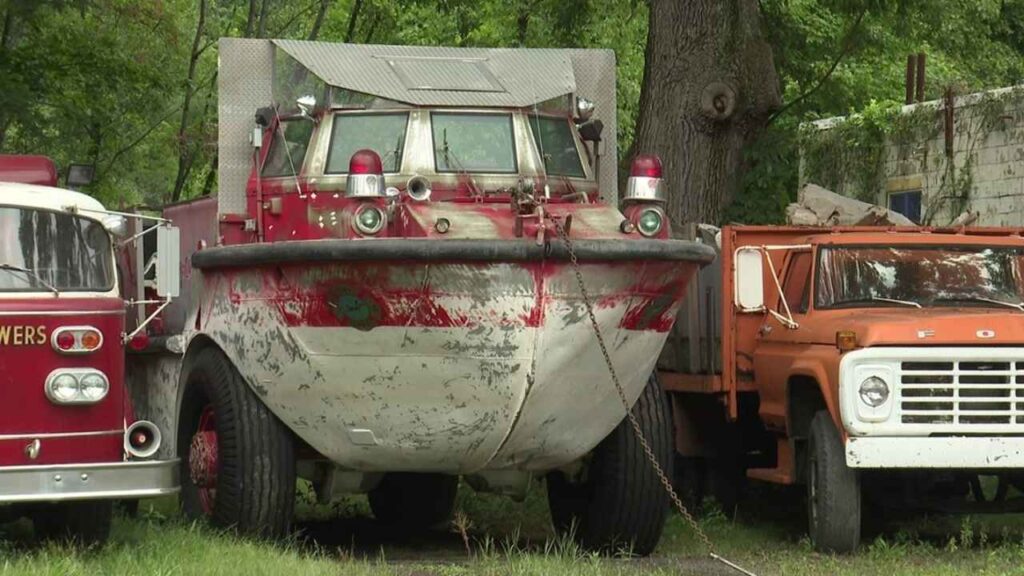
The New Owners Behind Retired LARCs
Civilian ownership came from a mix of organizations and individuals. These owners valued function over appearance and focused on what the vehicle could still achieve. Some common owners interested to buy LARCs are –
- Government bodies working near rivers or coastlines.
- Private companies operating in water-connected areas.
- Museums collecting unusual working vehicles.
- Private individuals with practical interests.
Why Civilian Groups Found LARCs Useful
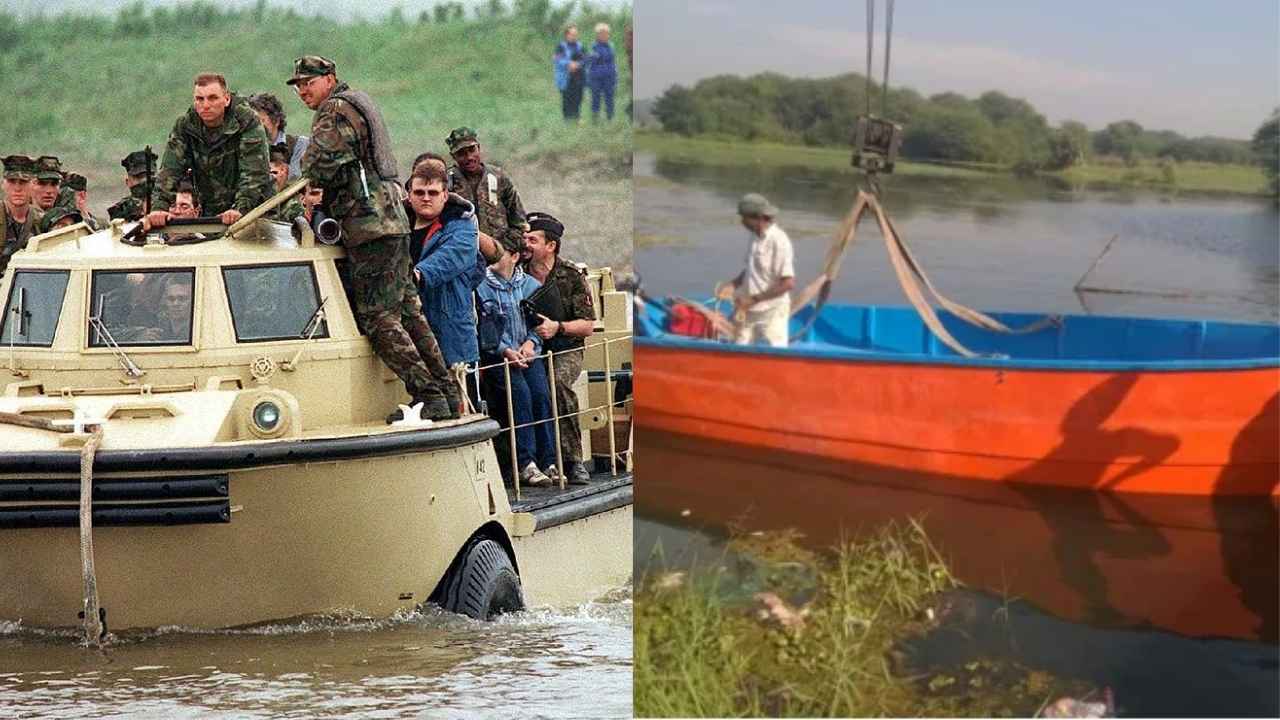
Civilian users appreciated LARCs because they could operate where normal vehicles failed. Their ability to travel from land into water reduced the need for extra equipment.
This flexibility saved time and effort, especially in undeveloped areas. For many owners, this single feature justified keeping an older vehicle in service.
New Jobs For an Old Military Vehicle
In civilian settings, LARCs took on simpler, everyday tasks. Their work became slower and more predictable, focused on supporting local needs. Some civilian uses for LARCs are –

- Carrying tools or supplies across muddy ground.
- Transporting people in shallow coastal zones.
- Assisting building projects near water.
- Supporting rescue operations during floods.
LARCs in Tourism & Public Use
Some retired LARCs found steady work in tourism. Their unusual movement from land to water offered visitors a practical and memorable experience.
These vehicles provided short, controlled trips rather than high-speed travel. This made them suitable for public use without major structural changes.
Preparing Military LARCs For Everyday Use
After leaving military service, LARCs were modified in basic ways. Equipment no longer needed was removed, and features for safety and comfort were added. Here are changes that are made –
- Removing old military attachments.
- Installing seats or safety rails.
- Repainting in visible, neutral colors.
- Simplifying controls for civilian drivers.
How Civilian Owners Care For Old LARCs?
Without military maintenance systems, owners adopted simpler care routines. The focus shifted toward keeping engines running and parts usable rather than perfect condition.
Some components were replaced with easier-to-find alternatives. This practical approach allowed LARCs to stay functional without specialized support.

Everyday Stories of LARCs in Civilian Roles
Across different regions, LARCs quietly returned to useful work. Some helped communities during seasonal flooding, while others supported environmental studies or cleanup efforts.
These stories were not dramatic. They showed steady, reliable service, often unnoticed by people who passed by.
Today’s Working Spaces For Retired LARCs
The table below shows general examples of how retired LARCs are used today, who owns them, and the type of environments where they operate.
| Civilian Use | Type of Owner | General Location or Environment |
|---|---|---|
| Tourist transport | Private operator | Coastal beaches |
| Flood response | Government agency | River communities |
| Environmental research | Research groups | Wetlands and shorelines |
| Construction support | Private companies | Shallow ports and riverbanks |
Challenges of Using Old Military Vehicles
Operating older military vehicles comes with limits. Fuel use, size, and aging parts can create difficulties for owners with small budgets.
Most owners accept these challenges. They use LARCs carefully, avoid heavy strain, and focus on tasks that match the vehicle’s strengths.

The Lasting Importance of LARC Vehicles
LARCs remain relevant because they demonstrate how strong design can outlast its original mission. They show that usefulness does not depend on modern technology alone.
For enthusiasts and observers, LARCs offer a practical lesson. Reuse and durability can extend the life of machines far beyond their first purpose.
Their continued service highlights the value of building things to last. When equipment is made well, it can adapt, remain helpful, and quietly serve again in changing times.