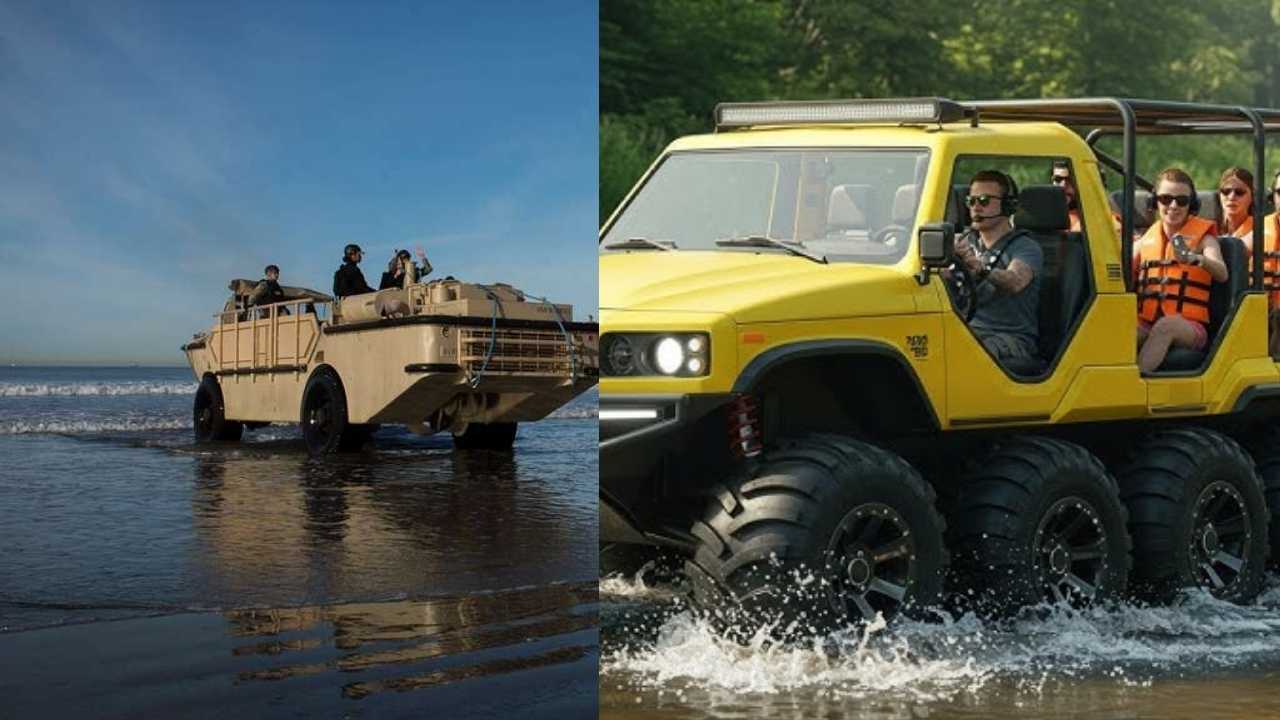
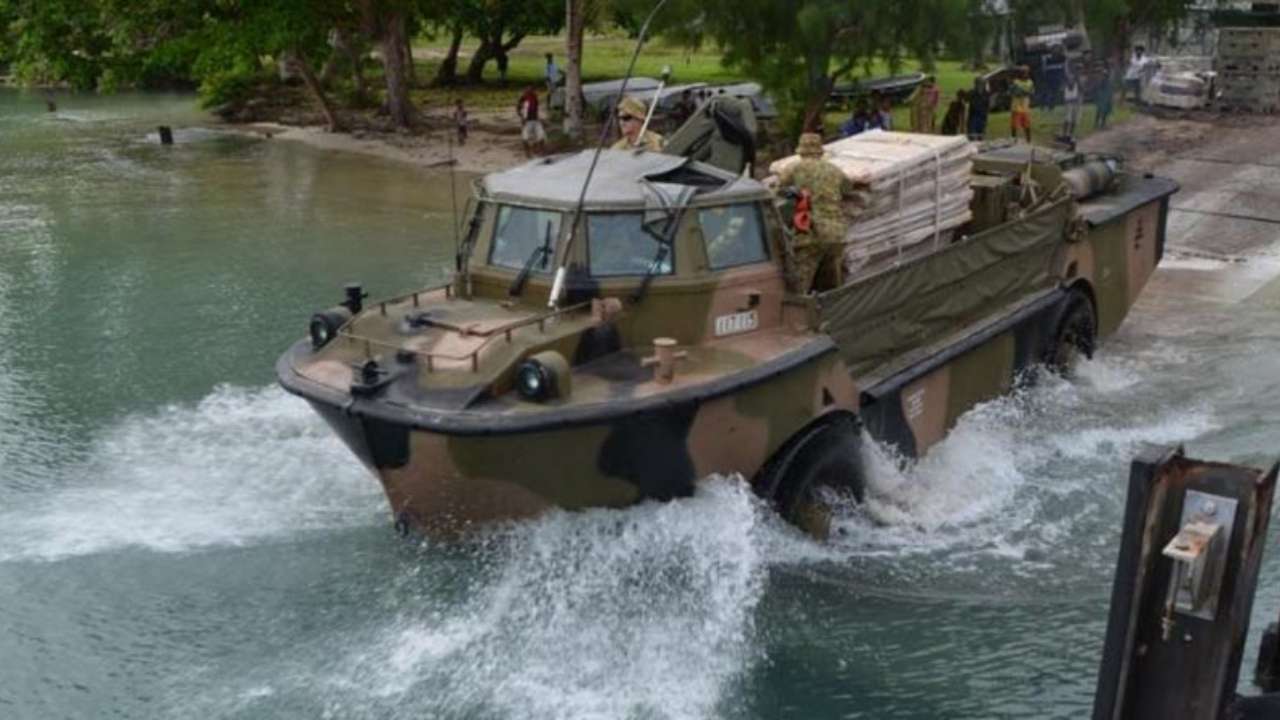
Most vehicles know their limits. Trucks stay on land. Boats stay in water. The LARC-XV ignored that rule completely. Introduced around 1960, the LARC-XV was built to move huge cargo loads straight from ships to shore.
With the ability to carry up to 15 tons, this amphibious vehicle became one of the heaviest machines of its kind ever put into service. It was not elegant, but it was effective. Only about 100 units were built, yet the LARC-XV quickly proved its value in tough logistics situations.
LARC-XV: When Giant Vehicle Roll Out of the Sea
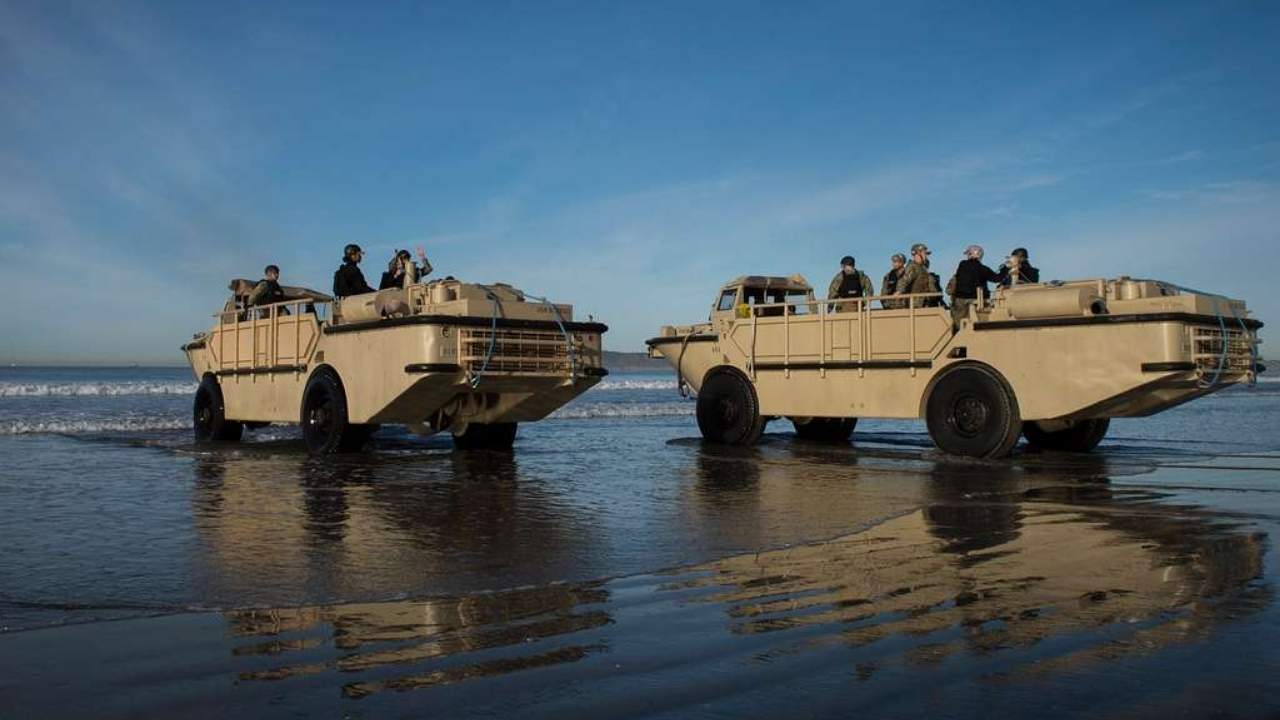
The LARC-XV was not design to impress anyone visually, it was a large amphibious cargo vehicle used mainly by the U.S. military. It was tall, wide, and shaped like a metal box on wheels.
Its full name was Lighter Amphibious Resupply Cargo Vehicle. The “XV” simply meant fifteen tons, which was the load it was expected to carry without struggle.
Compared to earlier amphibious vehicles, this model was far larger. It was made for heavy machinery, vehicles, and oversized supply loads. Its size gave it stability in water and confidence on land. That combination made it stand out.


LARC-XV Specifications
| Feature | Value | Why It Was Useful |
|---|---|---|
| Cargo Capacity | 15 tons | Could carry heavy equipment in one trip |
| Land Speed | About 20 -25 mph | Suitable for short inland movements |
| Water Speed | Around 5 – 6 knots | Safe travel while fully loaded |
| Crew Size | 3 – 4 people | Enough for driving and maintenance |
| Fuel Capacity | Around 200 gallons | Long operating time without refueling |
These numbers show that speed was not the focus. Strength and reliability were.
Why the LARC-XV Was Needed?
Military planners faced a serious challenge. Ships could carry supplies across oceans, but unloading them was risky without proper ports.
Many coastlines were undeveloped or damaged. Cranes were unavailable. Roads were unreliable or completely missing.
Smaller amphibious vehicles helped, but they could not move heavy equipment. Trucks were useless once the water began.

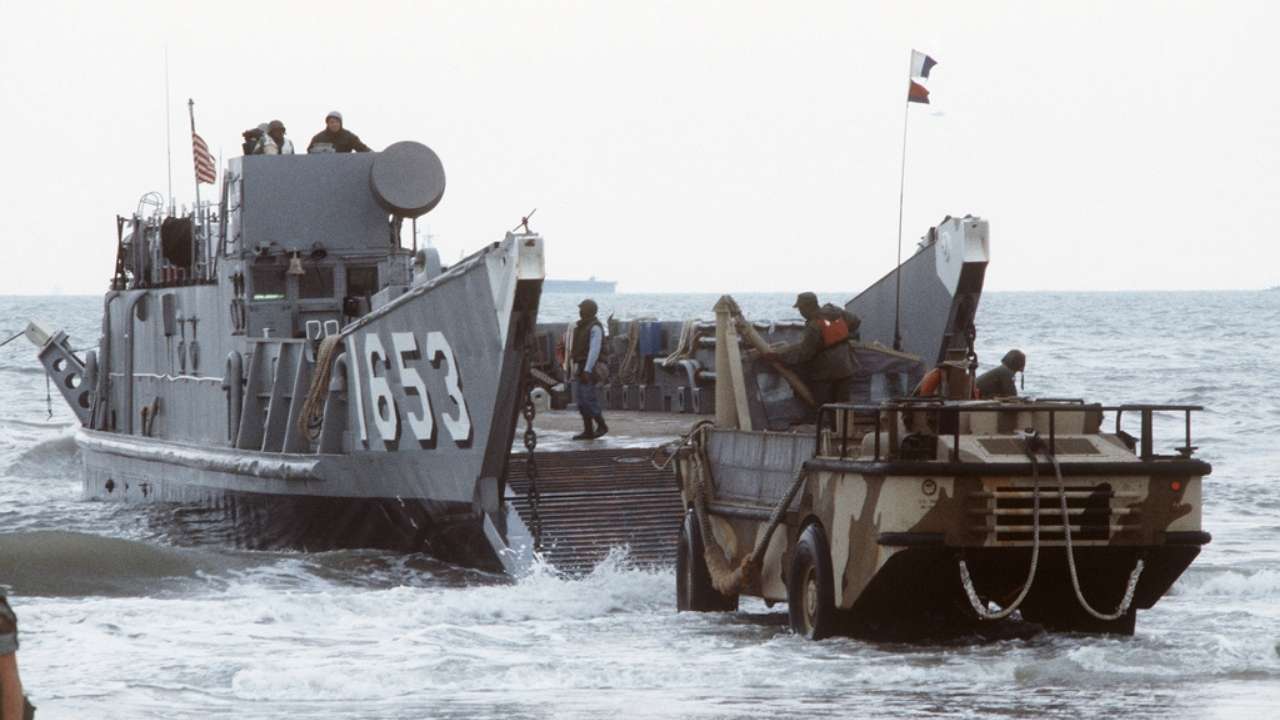
The LARC-XV was created as a direct answer to this problem. One vehicle could handle the entire journey without stopping. That saved time, reduced cargo damage, and simplified operations.
Built to Work: Design & Features
Everything about the LARC-XV was practical. Comfort and style were not priorities. The hull was made from aluminum, helping it float while keeping overall weight under control. It also handled saltwater better than many other materials.
Its wheels were huge and widely spaced. This helped distribute weight and prevented sinking on soft beaches or muddy ground.
Power came from two diesel engines. They were loud and basic, but they were reliable. They moved the vehicle on land and pushed it through water.

In Short – The design focused on strength and reliability. There were no unnecessary features.
LARC-XV Quick Timeline & Dates
- Late 1950s – Design and testing phase
- Around 1960 – Vehicle enters service
- 1960s to 1970s – Used in heavy resupply roles
- Later years – Continued use with minor updates
- Final stage – Gradual retirement
Roughly 100 vehicles were built. A small batch was sent to Germany, while most remained with U.S. units.
Famous Uses & Operations
The LARC-XV was mainly used for moving heavy military cargo. This included vehicles, construction equipment, and large supply loads.
It was useful during operations where ports were damaged or unavailable. Supplies could still reach land without extra handling.

In some cases, it supported recovery and emergency tasks in coastal areas affected by flooding or damage. Its ability to work in water and on land made it extremely flexible.
Where the LARC-XV Went After Service?
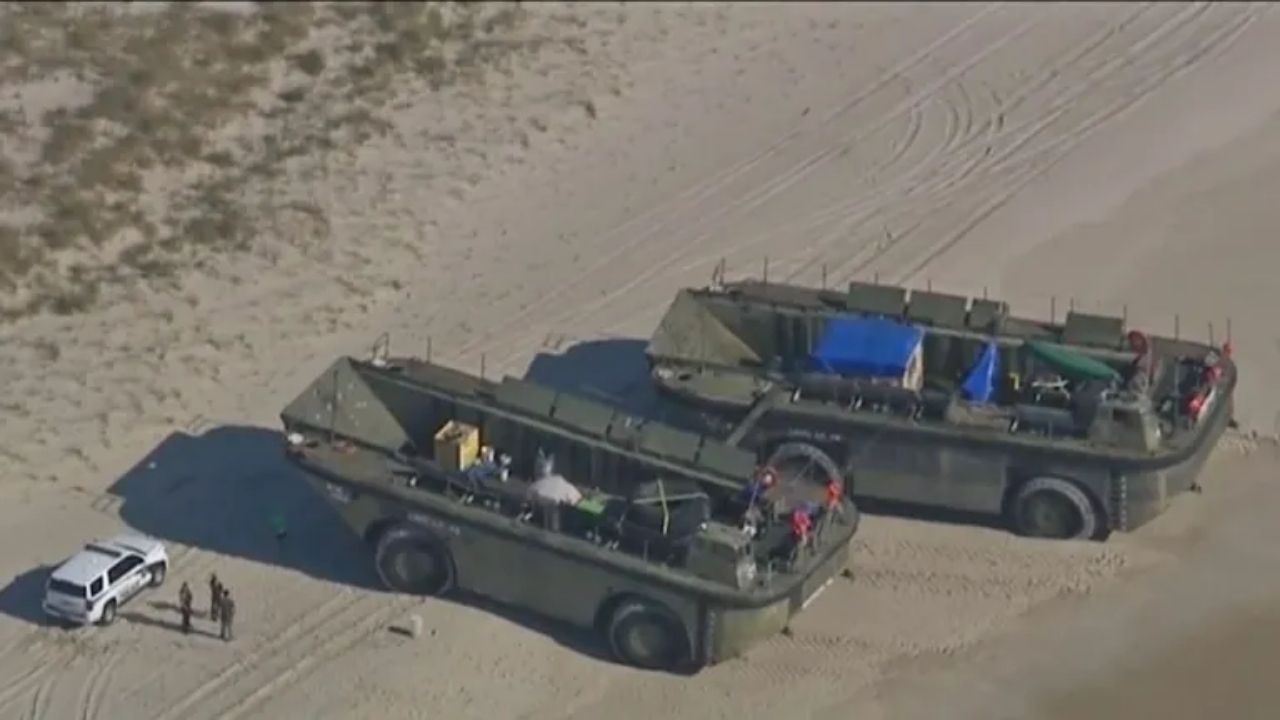
After retirement, many LARC-XV vehicles were dismantled. Their size made them expensive to store and maintain. A few survived.
Some were preserved by museums. Others ended up in private collections. One well-known example sits at New Brighton in Merseyside. Even parked, it looks powerful and unusual.
Why the LARC-XV Still Matters?
The LARC-XV shows that smart design does not always mean complex technology. Sometimes, it means building exactly what the job requires.
By combining heavy lifting with amphibious movement, it changed how supplies could be delivered in difficult environments.
Today, the LARC-XV is remembered as a machine that solved a real problem in a direct way. It did not chase attention, but it earned respect.