Landing supplies on a beach might seem easy from pictures, but it’s far from simple. Waves, shifting sand, and timing make moving cargo from ships to shore tricky. Two vehicles often handled this challenge, the LARC and the LCU.
Both were design to deliver equipment and materials without a port. The LARC could float and drive directly onto land, while the LCU stayed a boat until it reached the beach. Each had advantages, and which performed better often depended on the mission.
Get know step by step approach, cargo handling, beach performance, crew requirements, flexibility, and practical limits to understand how each shaped beach operations.
Understanding LARC & LCU Roles
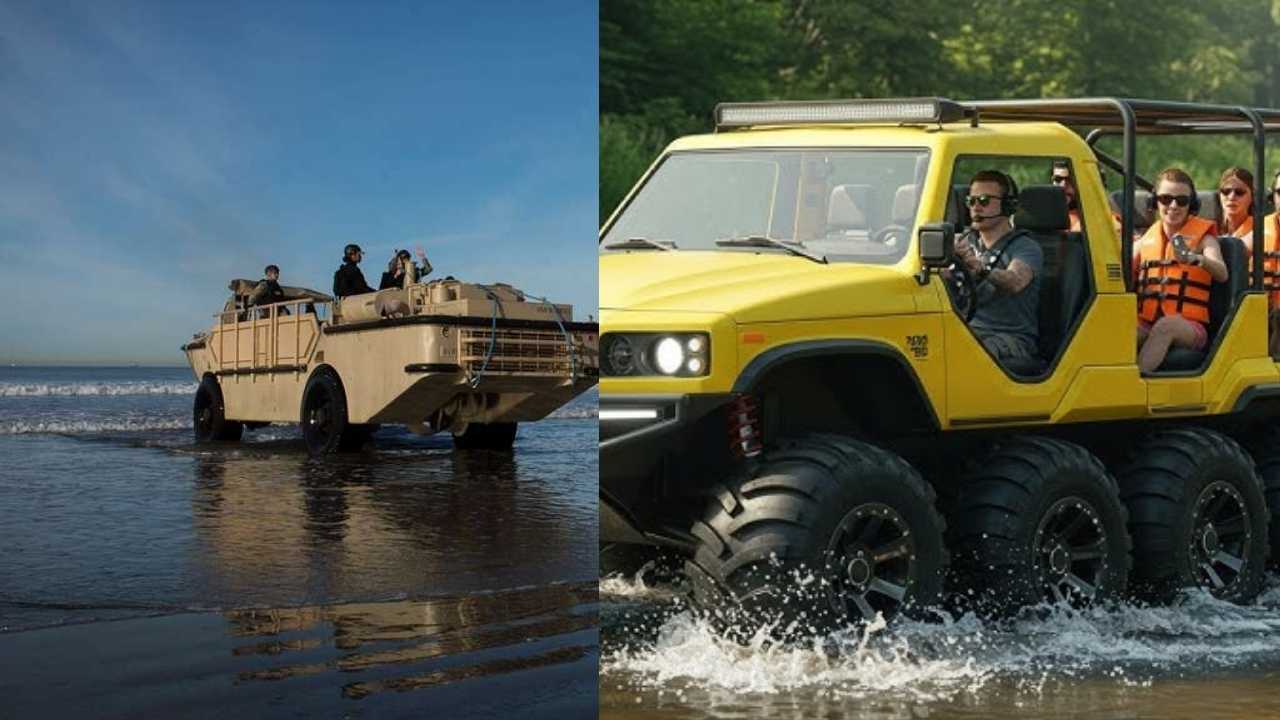
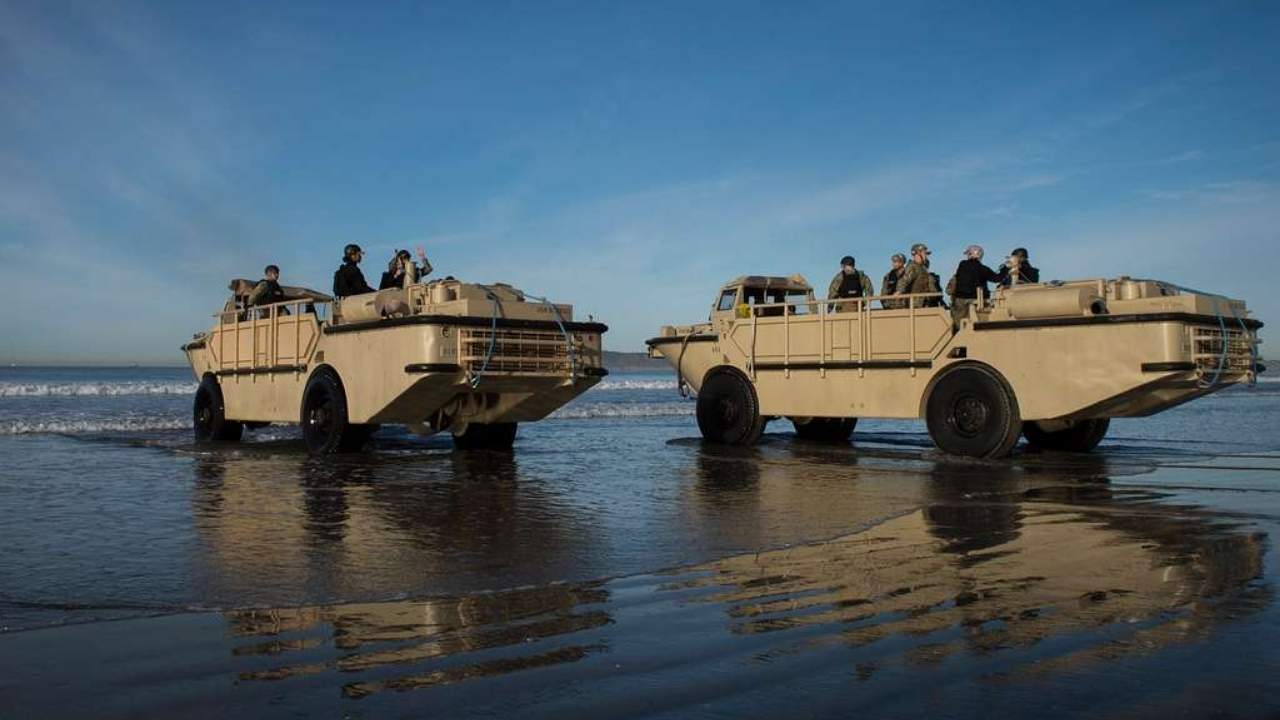
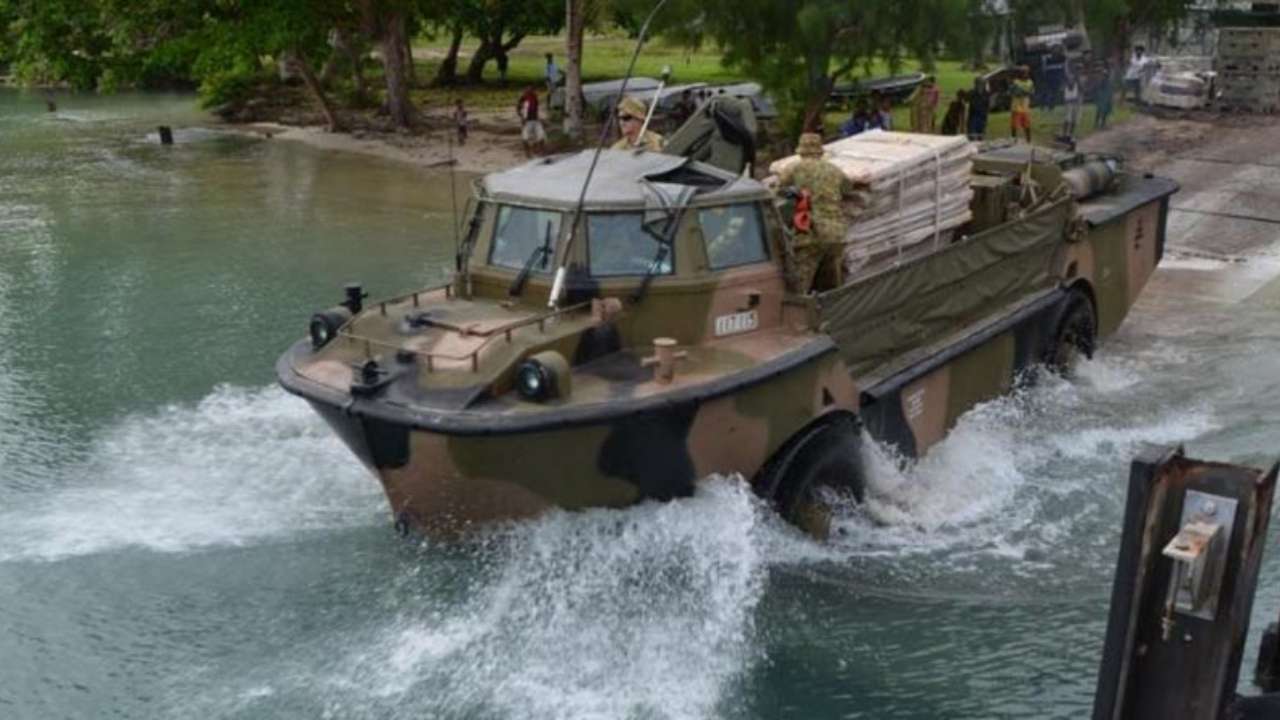
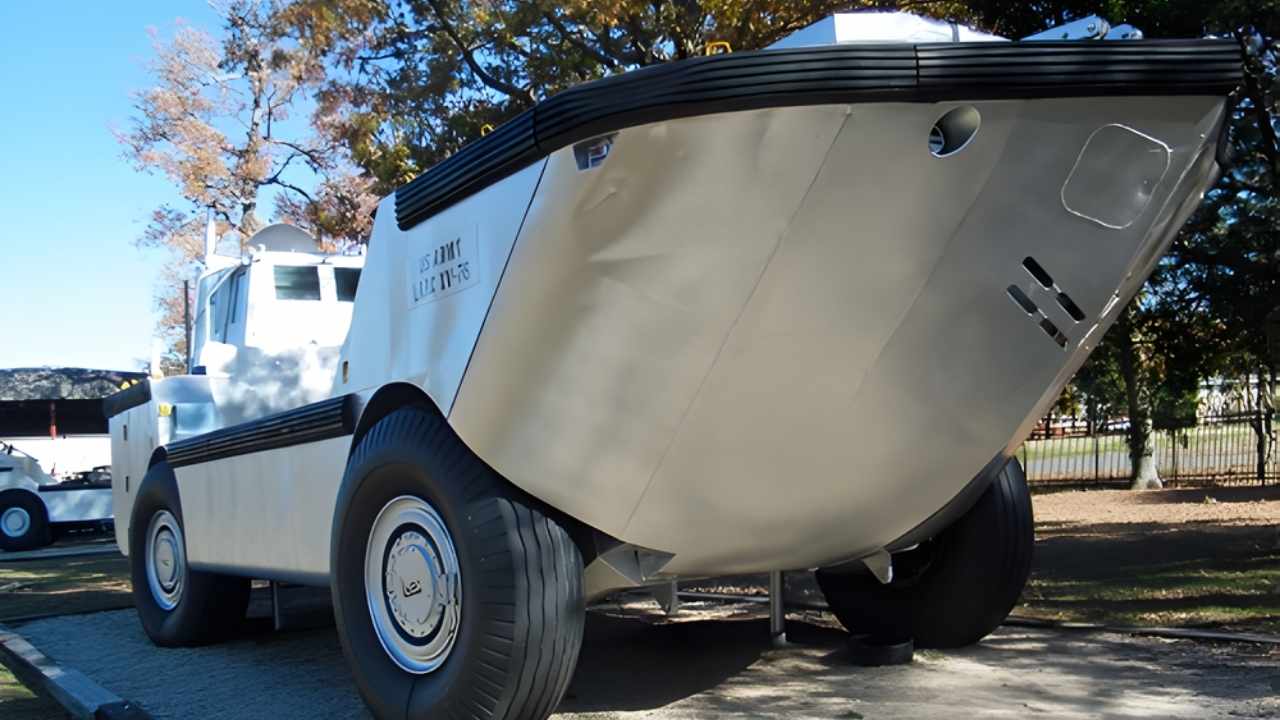
The Lighter, Amphibious Resupply Cargo Vehicle (LARC) was essentially a truck that could float. It moved from ship to shore without stopping, carrying supplies straight onto sand. Its design favored speed and small to medium loads.
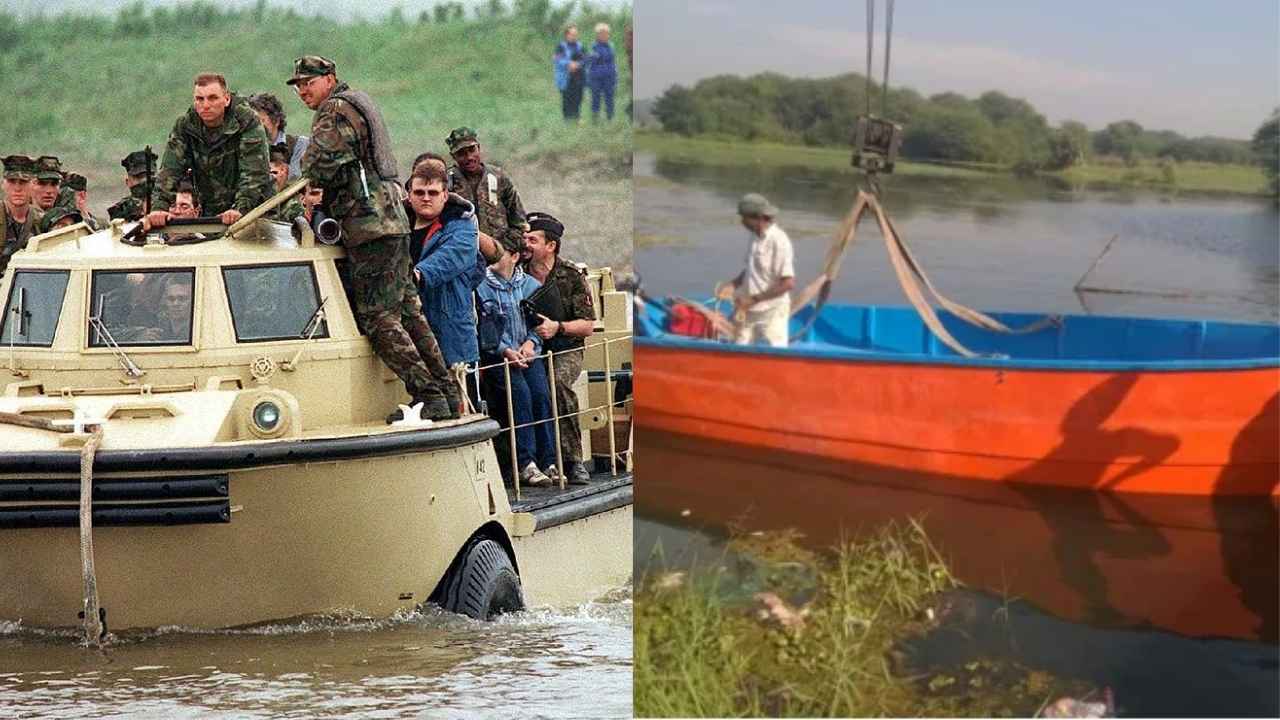
The Landing Craft Utility (LCU) acted as a floating platform. It stayed in water until the shore, then lowered ramps so vehicles and cargo could disembark. It was strong, able to carry heavier items, but relied on careful planning.
Both had the same goal; move cargo efficiently. But their methods reflected different priorities, LARC for flexibility and fast delivery, LCU for size and capacity.

How Each Vehicle Approached Shore
LARC drove straight from ship to shore, eliminating transfers. This one-step approach reduced waiting and minimized crowding near the water.
LCU took a slower path. It had to navigate waves, line up with the beach, and carefully ground itself before unloading. Reliable, yes, but slower and dependent on coordination.
- Here is Quick Comparison –
- LARC – drives directly onto land.
- LCU – sails and beaches before unloading.
- LARC – faster for small loads.
- LCU – better for heavy or bulk cargo.
Cargo Handling on Open Beaches
On open beaches, LARC’s strength was continuity. Cargo stayed inside the vehicle until it reached the inland area. This kept the beach clear and sped up operations.
LCU could carry larger and heavier loads, but unloading was more complex. Ramps had to be lowered, vehicles queued, and crews coordinated carefully to avoid congestion.
| Feature | LARC | LCU |
|---|---|---|
| Cargo movement | Continuous | Requires ramps |
| Beach space | Moderate | Large space needed |
| Heavy load capacity | Medium | High |
Sand and Soft Ground Performance
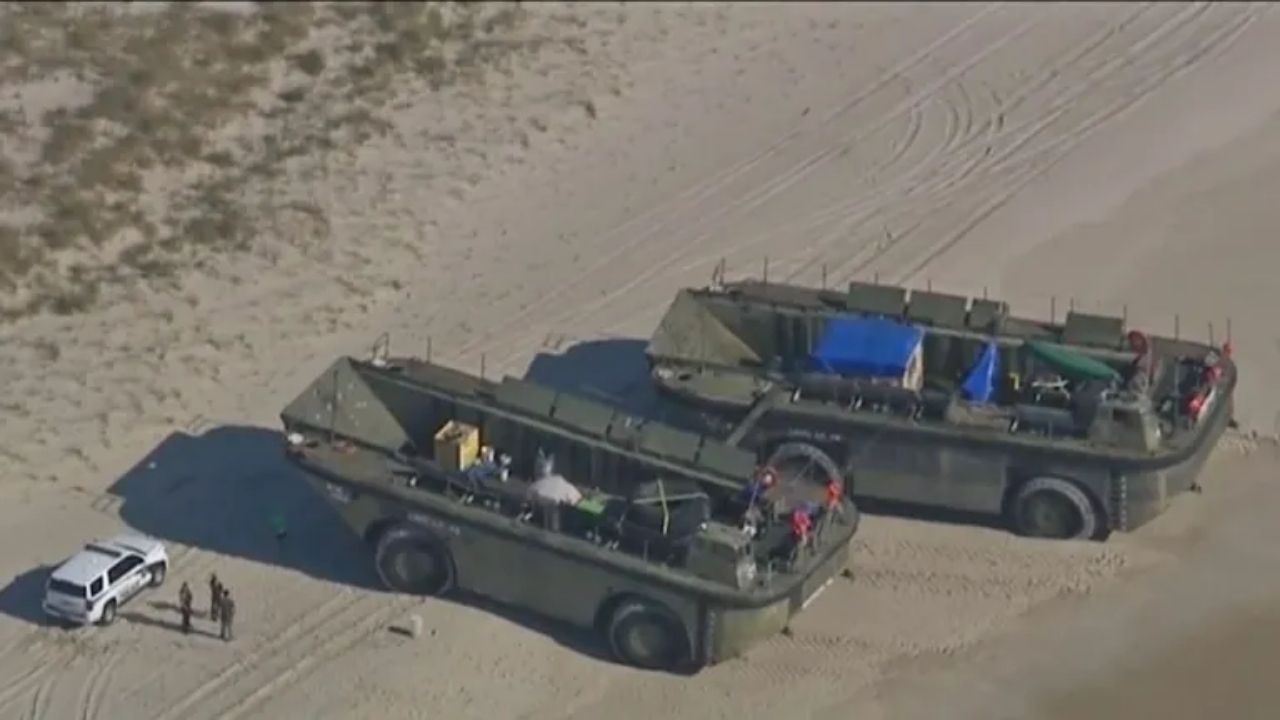
Sand is tricky for any landing. LARC relied on tires and weight distribution. Firm beaches were fine, but soft or uneven sand could slow or trap it, especially with heavy loads.

LCU didn’t drive on sand, but the vehicles unloading from it did. Soft or shifting sand could slow operations, creating delays.
Note – Both had problems; they just appeared at different points in the landing.
Crew Effort & Operational Simplicity
LARC needed smaller crews and simpler coordination. One team could operate the vehicle and move cargo quickly, which was useful for fast, repeated landings.
LCU required more hands. Boat pilots, shore crews, and unloading teams had to work together precisely. Effective for heavy loads, yes, but planning and coordination were crucial.
Crew Effort Comparison –

- LARC favored small, flexible teams.
- LCU required structured coordination.
- Both needed skilled operators for safety.
Flexibility in Tough Conditions
LARC could adjust to unexpected or rough beaches. It could find a safe spot and drive inland without needing ideal conditions. Its adaptability made it useful in emergencies or damaged landing zones.
LCU relied on predictable beaches with proper slopes and water depth. Obstacles, soft sand, or rough surf could slow or complicate operations. Powerful, yes but less forgiving.
Speed vs. Capacity
- LARC – Quick delivery, moderate cargo, repeated trips possible.
- LCU – Slower, but carries large or heavy loads in fewer trips.
For rapid, smaller landings, LARC was ideal. For moving tanks, trucks, or bulk equipment, LCU handled the job more efficiently.
Operational Risks
LARC’s risk came from weight and soft sand. Heavy cargo on weak beaches could immobilize it, causing delays.
LCU faced risks from waves, grounding, and ramp operations. Mistimed landings could slow unloading or damage equipment.

So, both vehicles required careful planning to reduce risks, but each faced different challenges.
When Plans Fell Apart?
On damaged or unpredictable beaches, LARC often adapted better. It could land, reposition, and drive inland without perfect conditions.
LCU preferred known beaches with proper slopes and depth. Sudden obstacles could slow or delay operations, especially in rough surf.
Which Worked Better in Real Beach Situations?
The answer depends on the mission. Fast, small-scale deliveries favored LARC. Large equipment or bulk cargo favored LCU. Beach conditions, cargo type, and time constraints determined which was more effective.
Neither was consistently superior, but both had moments to shine. They complemented each other, and their combination made beach operations possible.