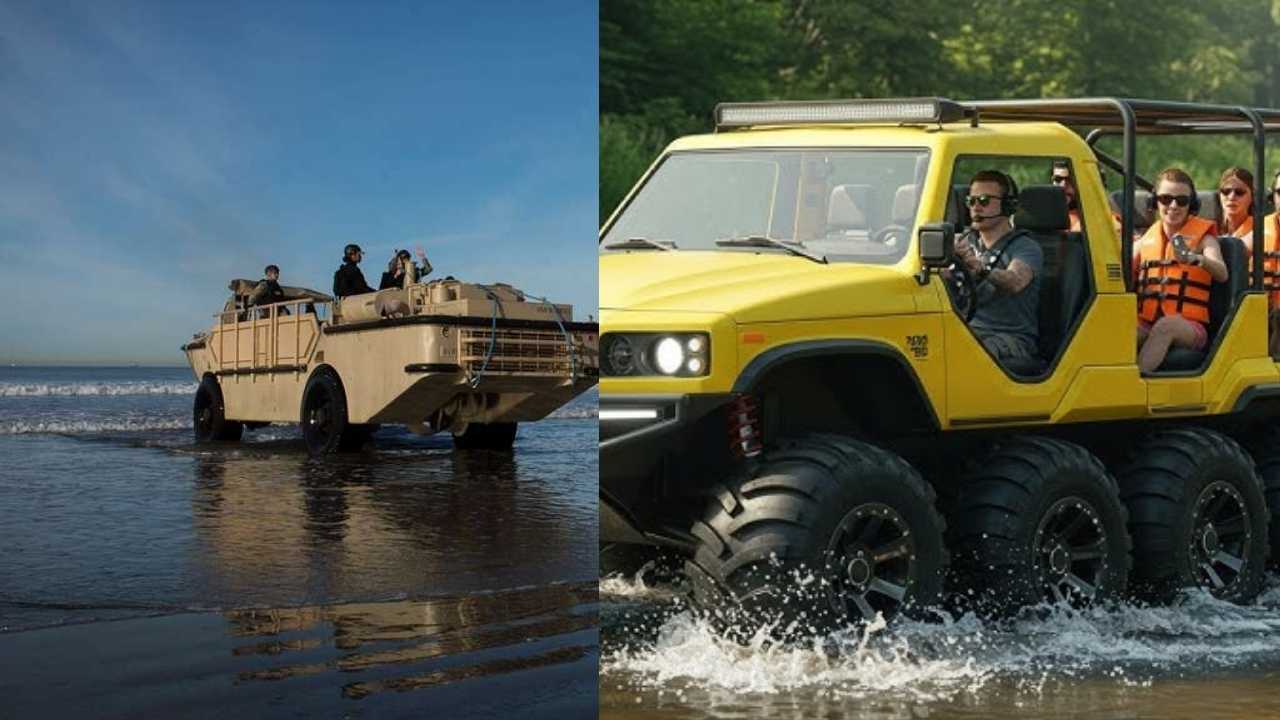
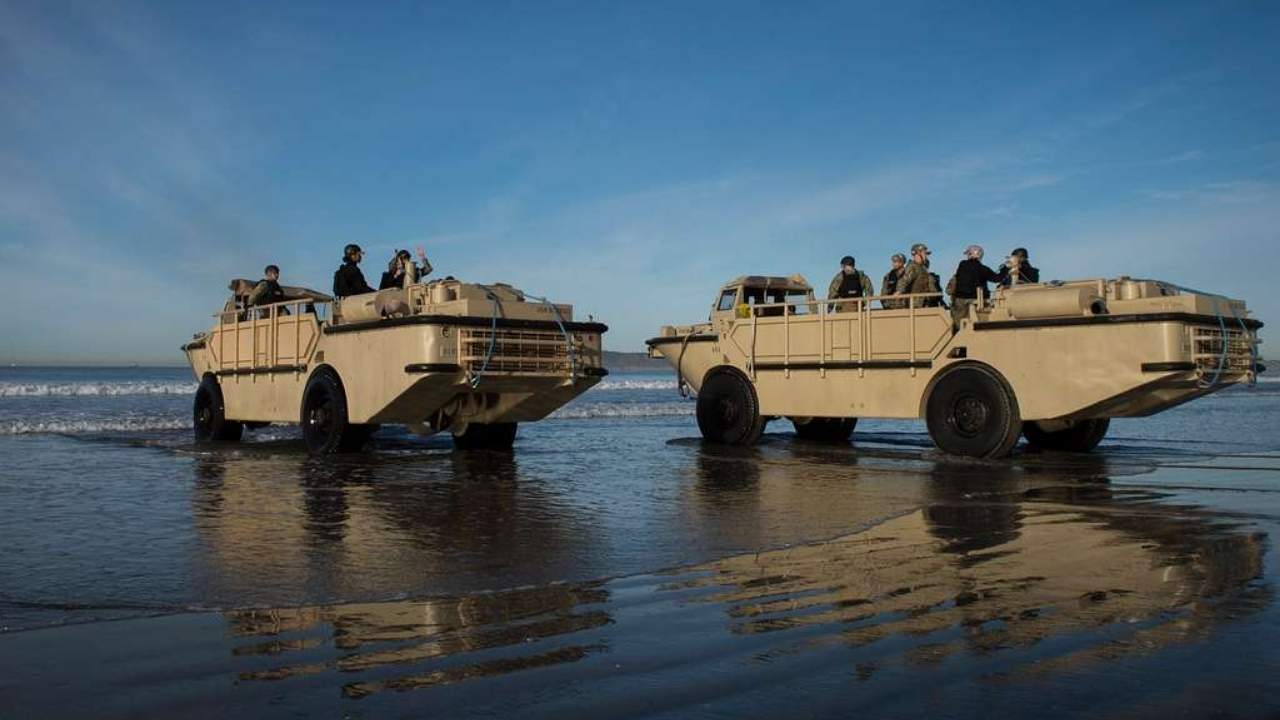
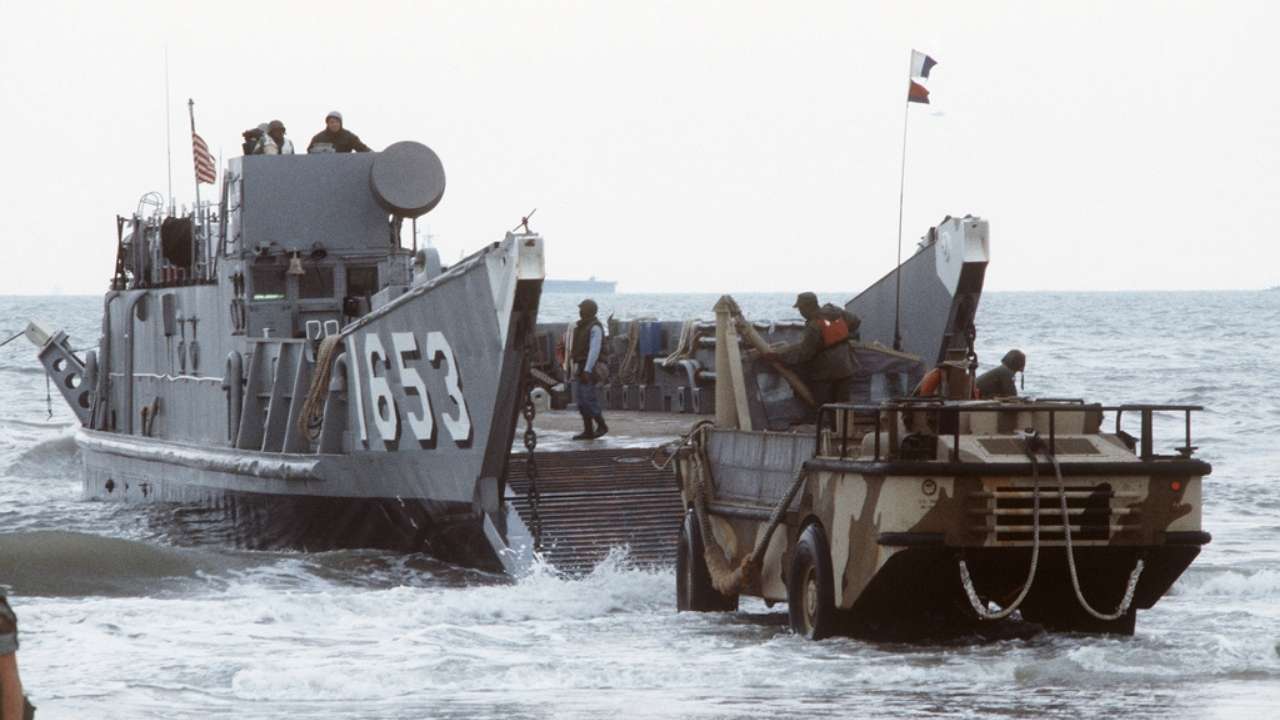
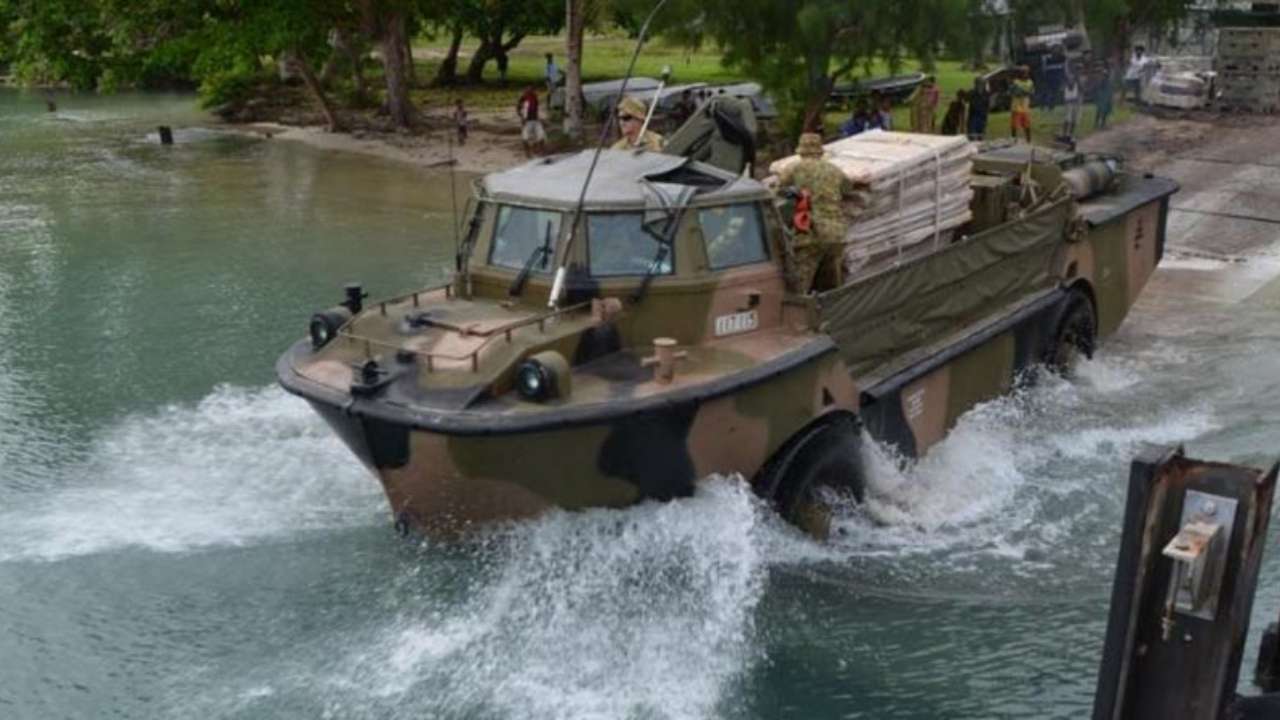
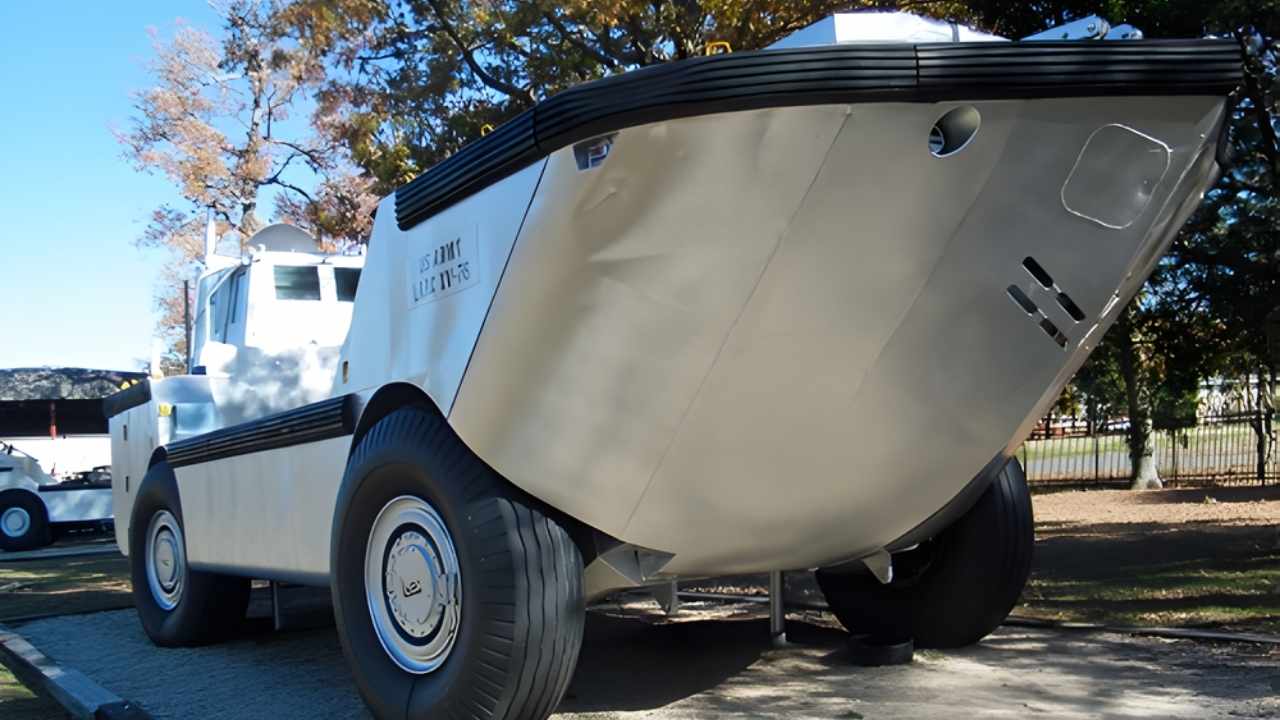
If you have ever seen a giant vehicle that drives on land and floats on water, you have spotted a LARC. These unusual machines are amphibious, designed to carry cargo straight from ships to beaches.
Many LARCs are now retired from military use. That means a few have entered civilian life, becoming available to collectors, museums, or special contractors curious about owning such an unusual vehicle.
People often wonder what it might cost to own one today. Prices vary widely depending on model, condition, and history, making every LARC a unique case when it comes to buying.
Understanding LARC Prices Today
Buying a LARC isn’t just about the sticker price. Its value comes from rarity, utility, and historical appeal. Owning one is part passion, part practicality, and part curiosity.
The full or real cost includes more than the purchase itself. Transportation, upkeep, and storage are ongoing expenses that first-time owners might not anticipate.

Owning a LARC is exciting but also demanding. Regular maintenance, spare parts, and safe storage all play a role in keeping it operational and valuable.
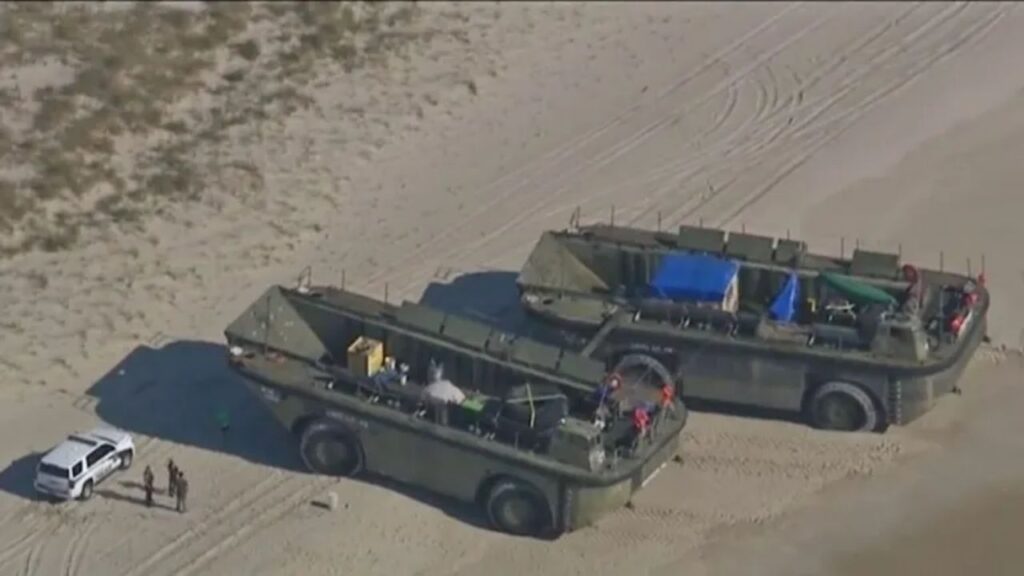
Factors That Affect LARC Cost
Several things affect how much a LARC might cost today –
- Age – Older vehicles can be cheaper but often need repairs.
- Condition – Fully working models are more expensive than ones needing restoration.
- Model/Variant – LARC-V, LARC-VI, LARC-XV, & LARC-LX differ in size and capabilities.
- Extra Modifications – Upgrades or added equipment can raise the price.
Where LARCs Can Be Bought?
LARCs aren’t sold at regular dealerships. Common places to find them include –
- Government surplus auctions
- Military or public auctions
- Private collectors selling vehicles
- Specialty brokers dealing in unusual machines
Patience is necessary, as these vehicles are rarely listed for sale.

Legal & Licensing Considerations
Before buying a LARC, you must consider legal rules –
- Some vehicles need demilitarization before civilian use
- Local registration laws differ depending on size and type
- Insurance, liability, and safety requirements may apply
Following regulations ensures safe and legal ownership.
Additional Costs Beyond Purchase
Owning a LARC involves more than the purchase price –
- Transport
- Moving a huge amphibious vehicle is expensive
- Maintenance
- Engines, seals, and tracks need regular attention
- Storage
- A large garage, warehouse, or yard is essential
- Parts
- Replacement components are rare and often costly
Planning for these expenses is important for anyone thinking about ownership.

Who Usually Buys LARCs?
Typical buyers include –
- Museums preserving military or engineering history
- Contractors needing amphibious transport for projects
- Researchers studying heavy machinery or engineering design
- Private collectors who enjoy unique, rare vehicles
Understanding buyers can help set realistic expectations for cost and availability.
How Type & Condition Affect Value?
Different LARC models vary in price depending on size, rarity, and condition. Rough estimates look like this –
| LARC Type | Price Range | Notes |
|---|---|---|
| LARC-V | $50,000 – $120,000 | Smaller, older, may require repairs |
| LARC-VI | $80,000 – $150,000 | Mid-size, rarer, sometimes restored |
| LARC-XV | $150,000 – $300,000 | Large, popular with collectors |
| LARC-LX | $200,000 – $400,000+ | Very rare, massive, often needs full support |
The final price always depends on condition, history, and available documentation.

Tips For Potential Buyers
If you’re thinking about a LARC, keep these ideas in mind –
- Research the model and condition thoroughly
- Inspect in person whenever possible
- Plan for storage, transport, and maintenance costs
- Understand legal requirements for registration and insurance
- Set realistic expectations for availability and condition
A careful, patient approach avoids surprises and extra expenses.
Last Advice For Buyers
Owning a LARC is exciting but not something to rush into. Planning, research, and realistic expectations make it manageable and rewarding.
These vehicles are large, rare, and complex. Responsible ownership, preparation for costs, and respect for their history are key to enjoying a LARC safely.