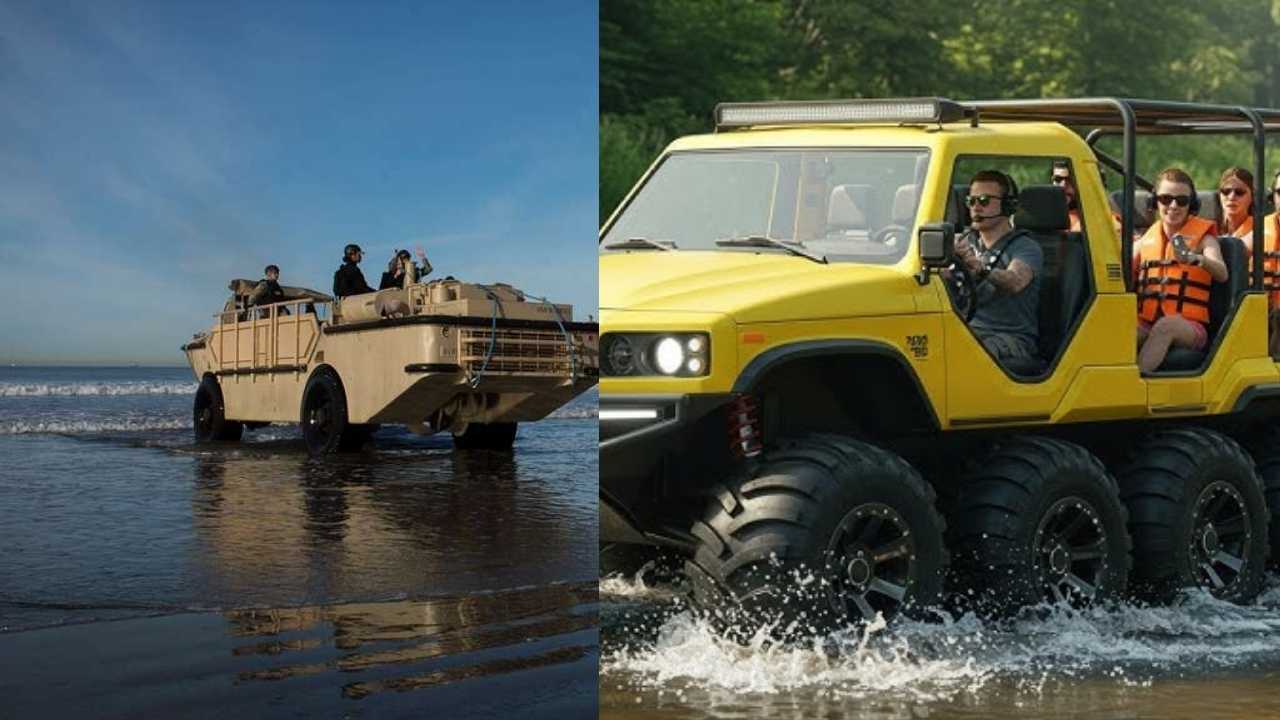
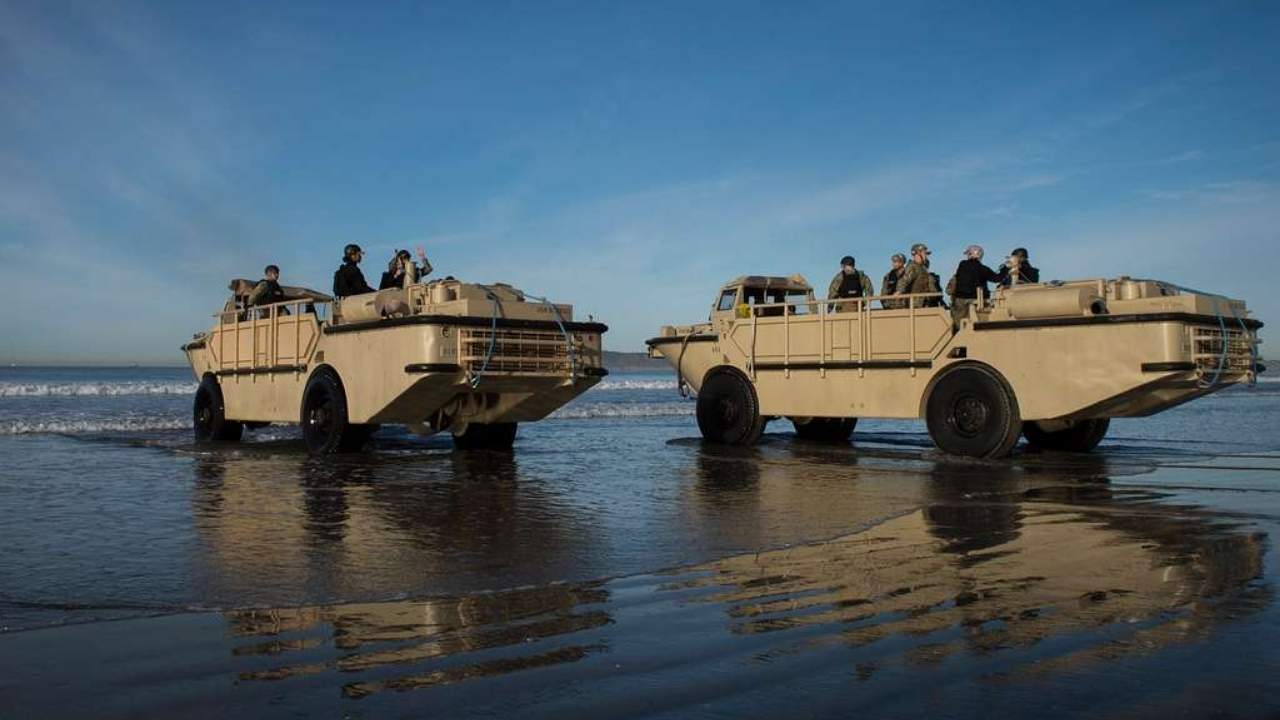
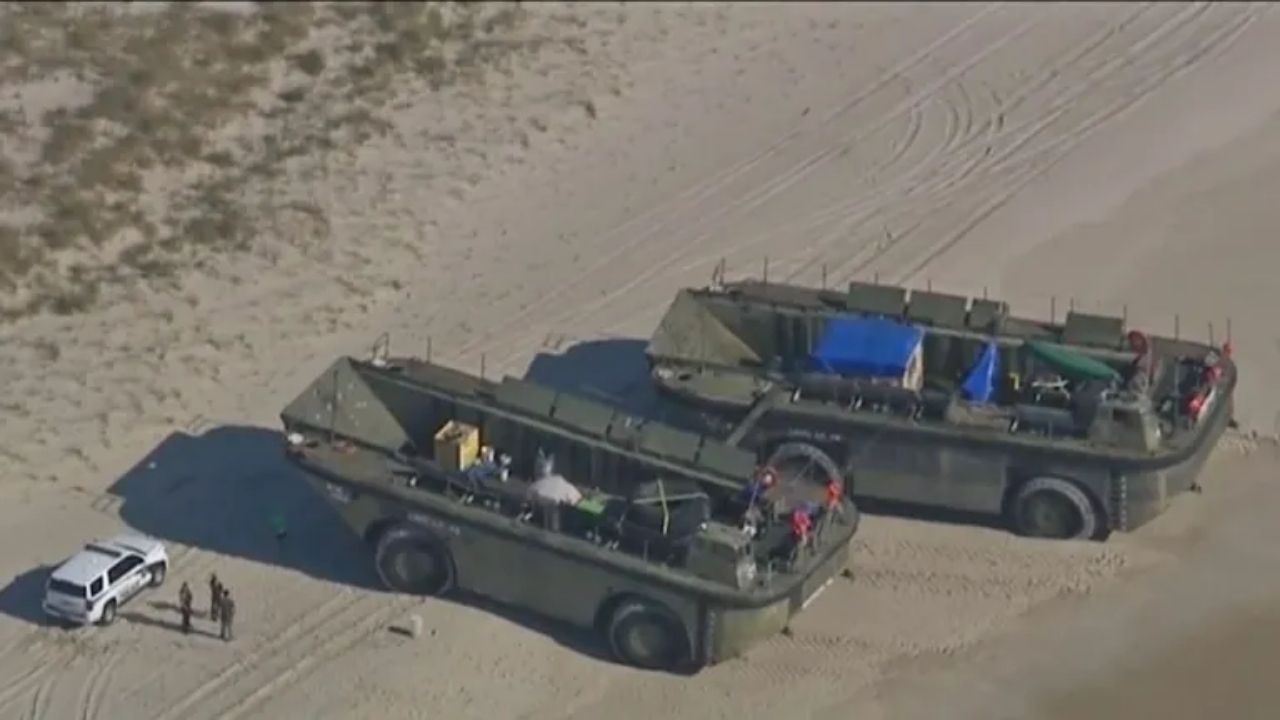
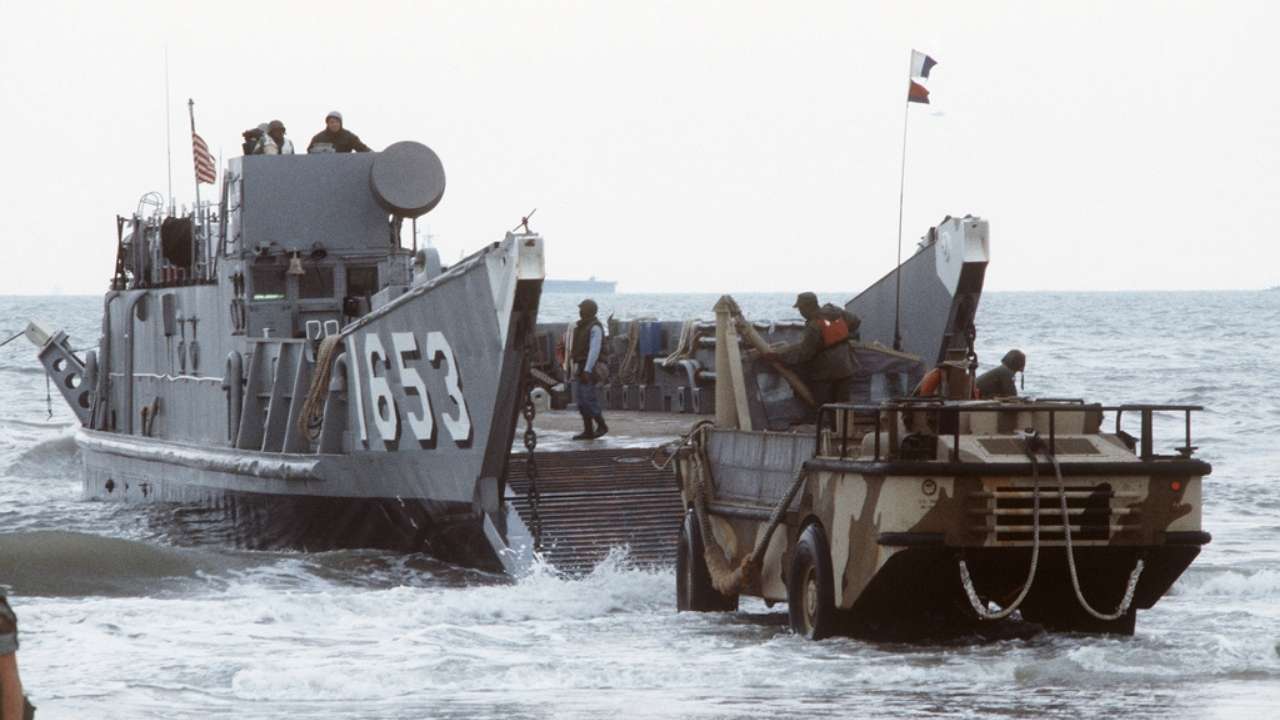
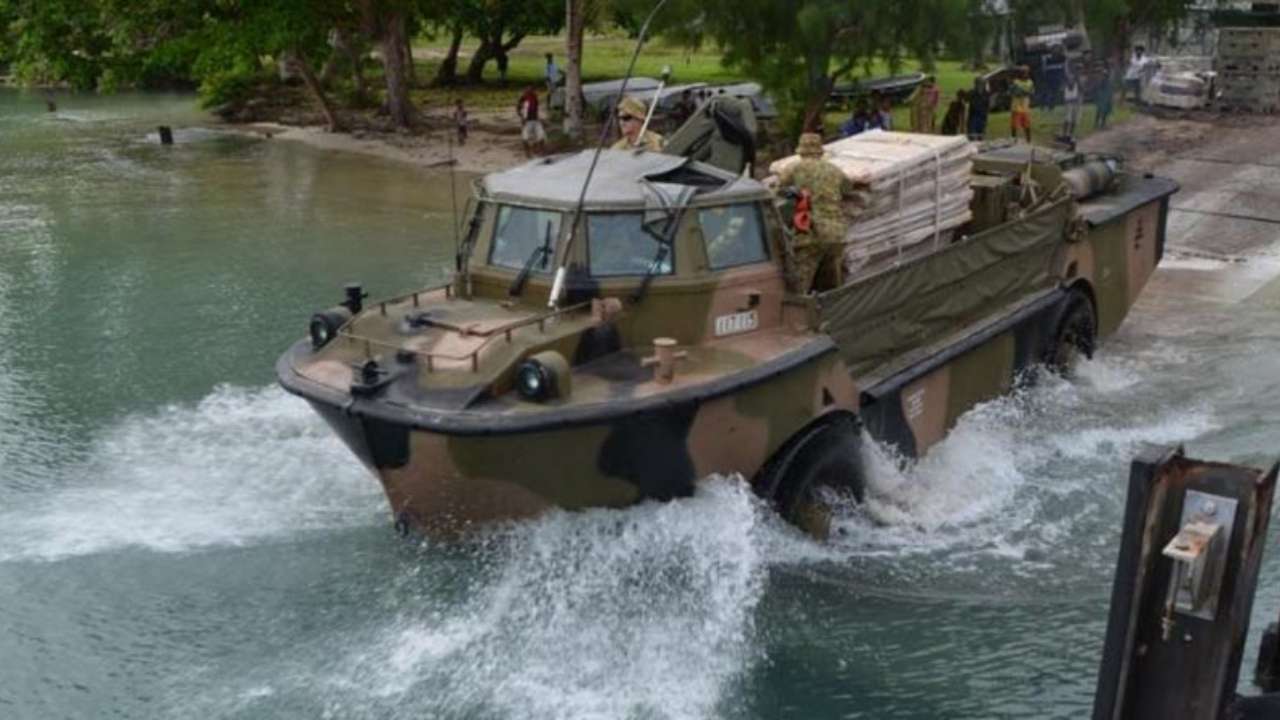
A LARC amphibious vehicle is a giant military machine built to travel on land and water, mainly used to carry heavy cargo between ships and shore without needing docks or proper roads.
As military needs changed, many LARC vehicles became unnecessary and were slowly removed from active service, parked in storage yards, or officially retired from military use.
Once retired, a limited number of these vehicles entered civilian circulation, making people wonder how such rare machines can be bought and what steps are actually involved.
Understanding What You’re Really Buying
Buying a LARC is not like buying a truck or boat from a dealer, because it is a former military asset released under strict conditions and sold as surplus equipment.

Only vehicles cleared for civilian ownership can be sold, and buyers must meet legal requirements that depend on the country handling the release and sale process.
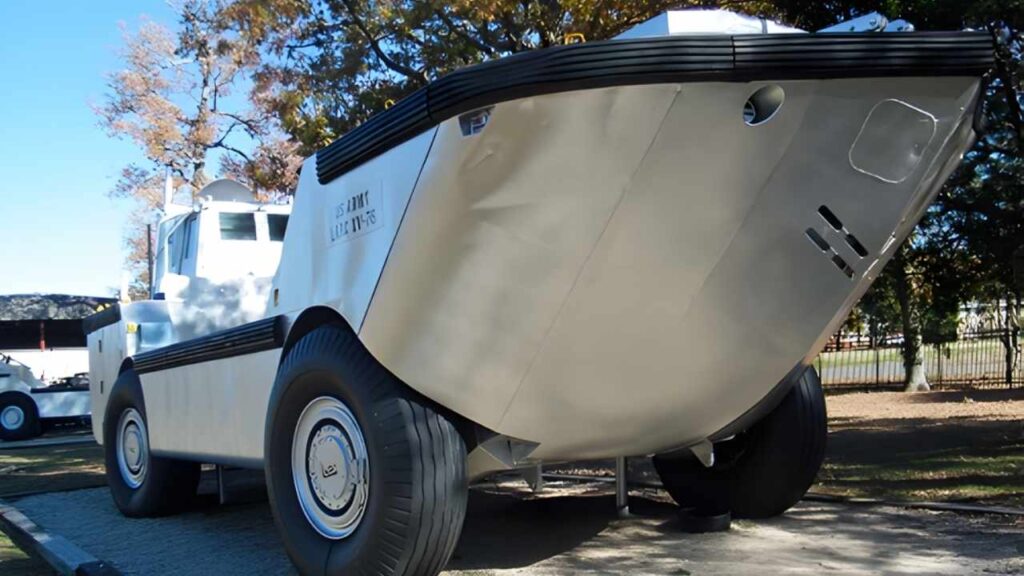
So Where Do LARCs Come Up for Sale?
LARC vehicles are uncommon, and they usually appear quietly through official channels rather than popular marketplaces or everyday vehicle listings. You may find them through –
- Government military surplus or disposal programs.
- Authorized auctions handling defense equipment.
- Private owners, museums, or long-term collectors.
Rules You Cannot Ignore While Buying LARC
Even after leaving military service, LARC vehicles are still controlled items, so buyers must respect ownership rules, export limits, and equipment removal requirements. Common Rules are –

- Approval for civilian ownership.
- Restrictions on selling or shipping overseas.
- Confirmation that military-only systems are removed.
Paperwork, Planning, & Patience Matter a Lot
Preparation is critical, because buying a LARC involves paperwork, transport planning, and storage decisions that must be sorted out before completing a purchase. Most buyers need to arrange the following things –
- Registration, permits, and ownership paperwork.
- Heavy transport from the sale location.
- Space for storage and basic ongoing maintenance.
Money Side: More Than Just the Buying Price
The price tag is only the beginning, since maintaining a huge amphibious vehicle takes time, effort, and steady spending long after the purchase is complete.
Prices vary depending on condition and location, while fuel use, repairs, and limited parts availability can quickly become long-term challenges.

Who Usually Ends Up Owning a LARC?
LARC owners are usually institutions or highly committed individuals who know exactly why they want one and are prepared for the responsibility involved.
| Buyer Type | Why They Buy One | Main Concern |
|---|---|---|
| Museums | Preserve military history | Long-term care and safety |
| Contractors | Special transport projects | Operating permissions |
| Researchers | Study and testing work | Limited availability |
| Private collectors | Personal interest and pride | Storage and upkeep effort |
Is a LARC a Smart Buy or Just a Dream?
A LARC makes sense for people focused on history or special use cases, but it is rarely practical for everyday transport or casual ownership.
Anyone expecting easy operation or low running costs may be disappointed, while prepared buyers may find long-term value beyond money.

One Last Thought Before You Decide
Buying a LARC should done with respect, careful planning, and patience, because owning a piece of military history carries responsibility beyond simple ownership or curiosity.