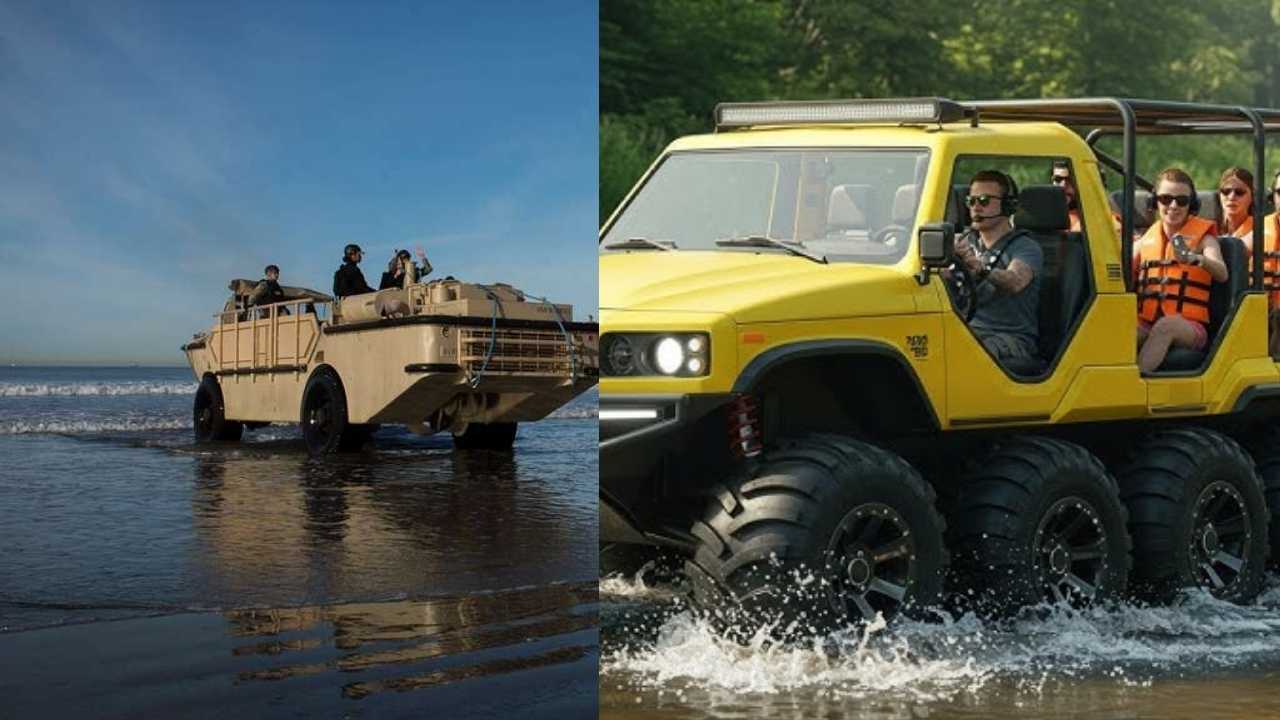
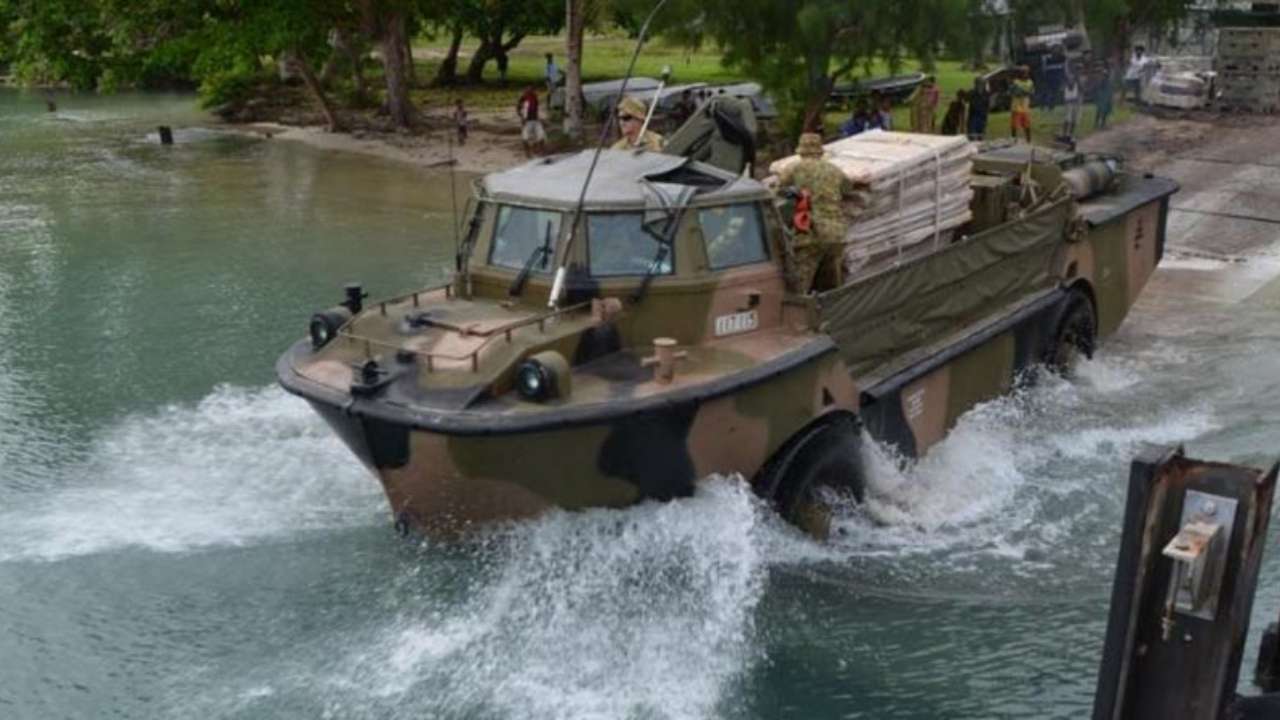
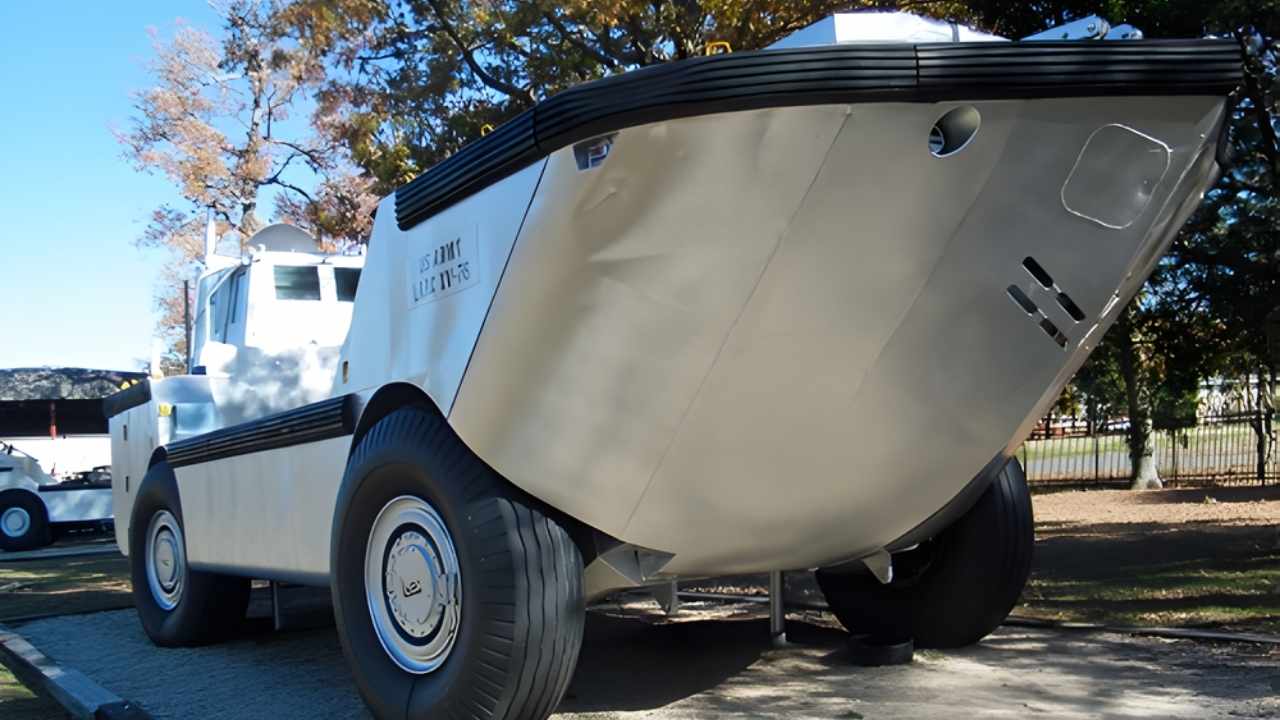
When most people picture a boat, they imagine a smooth ride on water carrying people or cargo. The LARC, breaks that idea it moves on water and land, doing what normal boats cannot.
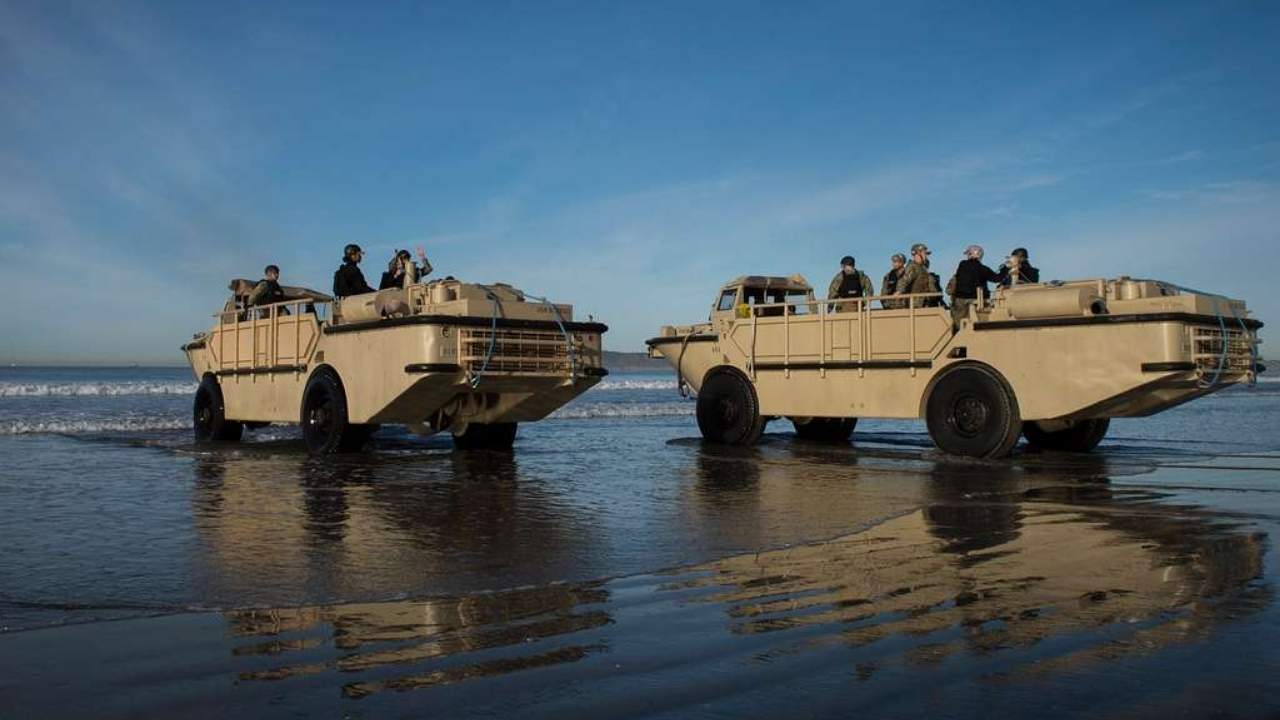
The LARC is a special military vehicle designed to handle both beaches and water. Unlike typical boats, it carries heavy loads, climbs onto shorelines, and keeps going where ordinary boats would stop or struggle.
Regular boats are built for water travel, whether for transport, leisure, or fishing. They can’t leave the water safely, while a LARC switches between land and water easily, making it a versatile and unusual machine.
So, what exactly makes a LARC so different from a normal boat? Its design, cargo ability, and amphibious power let it perform tasks ordinary boats simply aren’t built for.
LARC & Normal Boats: Same Water, Very Different Job
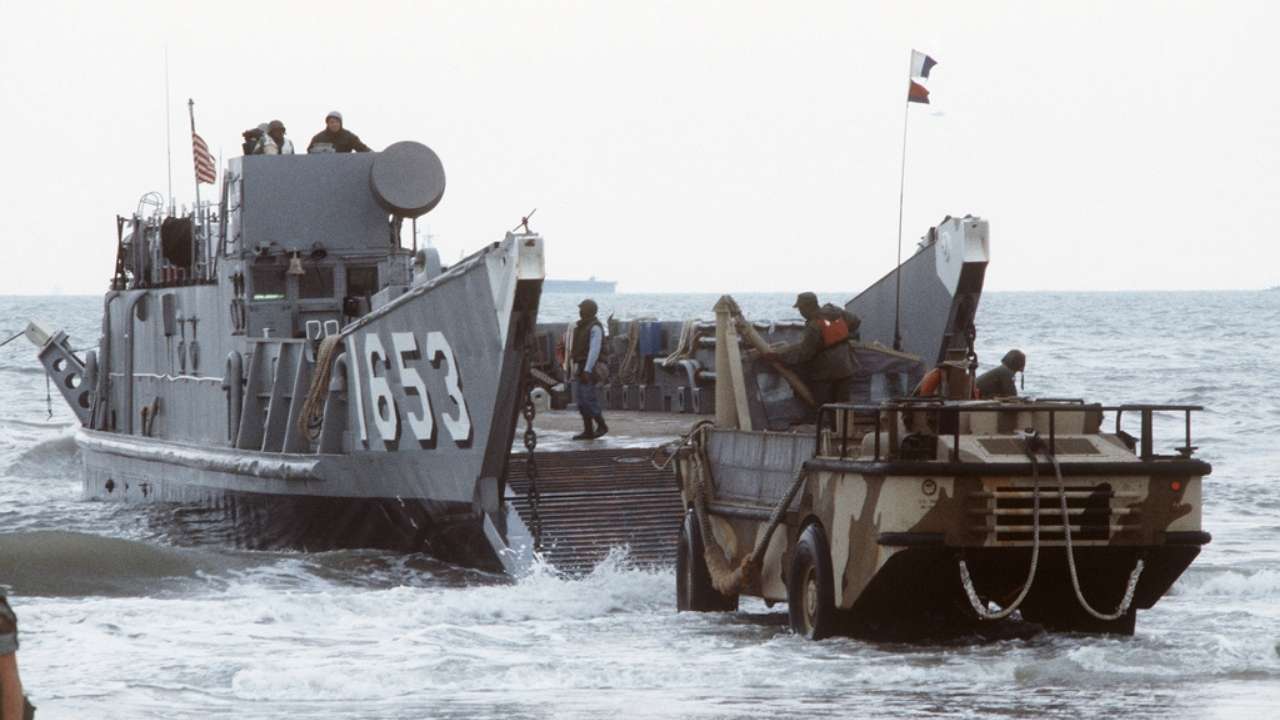
The LARC is a military workhorse, carrying supplies, vehicles, and troops from ships directly onto land. Normal boats, on the other hand, mostly stick to water and serve simple travel or recreation purposes.

While boats rely on their hull and motor to move through water, LARCs have wheels plus a sturdy body, allowing them to drive on beaches or uneven terrain. Their movement systems are very different.
LARCs are often categorized by how much weight they can carry, like 5, 12, or 15 tons. Boats are measured by length, hull type, or passenger count, reflecting their simpler roles.
In essence, a LARC is a hybrid military tool, while a normal boat is water-focused, lighter, and easier to use.
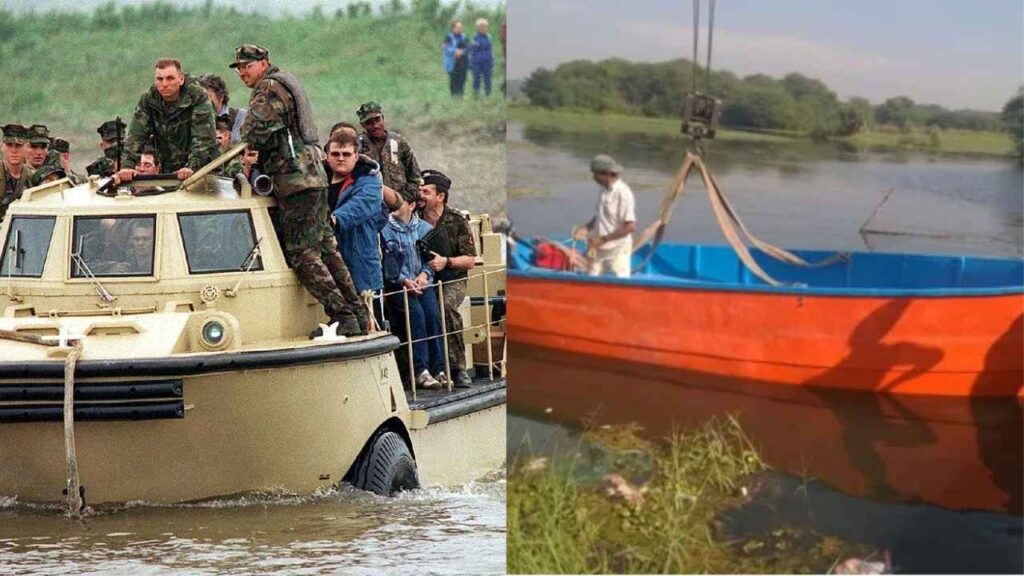
One Vehicle, Two Worlds: Land & Water
The LARC’s standout feature is its amphibious nature. It moves through water and drives on land, while typical boats are limited to floating on water only.

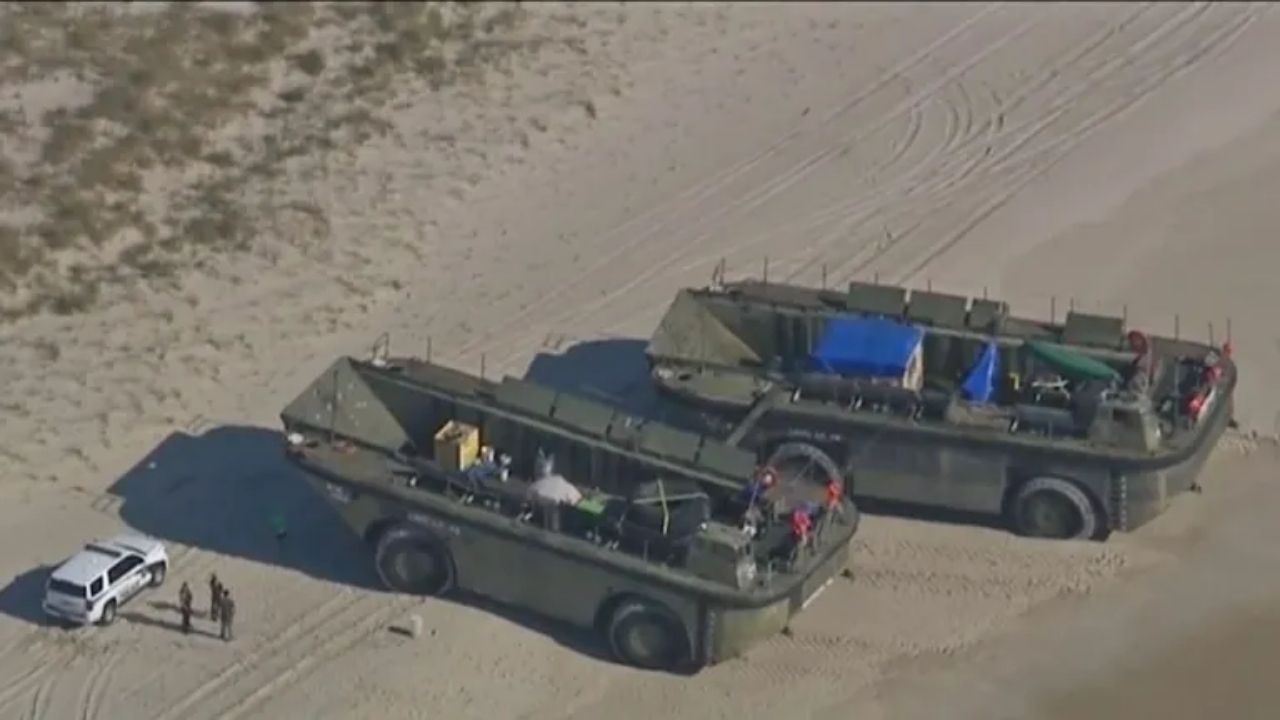
This dual ability means a LARC can deliver cargo straight to a beach without docks or ramps. Boats need piers, ramps, or cranes to unload, making them less flexible.
Its wheels and hull work together to move smoothly from sea to land. Normal boats lack this capability and remain stuck when leaving the water.
Carrying Power: LARC vs Boat Loads
LARCs can carry far more weight and volume than regular boats, making them essential for transporting military gear, vehicles, or troops. Normal boats are smaller and hold lighter loads.
| Feature | LARC | Normal Boat |
|---|---|---|
| Cargo Weight | 5 – 15 tons | 0.5 – 2 tons |
| Storage Space | Large, boxy | Small to medium |
| Length | 30 – 50 ft | 10 – 30 ft |
Design Choices That Set LARC Apart
LARCs have a boxy, wide shape to keep heavy cargo stable and withstand rough landings. Normal boats are narrow and streamlined, built for smooth water travel.

- Flat bottom for driving on land.
- Broad body for balance and storage.
- Reinforced frame for durability.
Boats focus on sleek lines and hydrodynamics, while LARCs prioritize strength and practicality.
Turning, Speed, & Stability Compared
LARCs are slower in water than boats, but they can handle both land and water transitions. Boats are faster in water but can’t leave it at all.
| Feature | LARC | Normal Boat |
|---|---|---|
| Water Speed | 8 – 12 mph | 15 – 25 mph |
| Turning | Moderate | Agile |
| Land Movement | Yes | No |
Military Missions vs Everyday Boating
LARCs serve military missions, supply runs, and beach landings. Normal boats are generally for transport, recreation, or fishing.
LARCs reach shores directly, carrying vehicles and cargo. Boats rely on docks or equipment to move goods onto land, limiting their use in military operations.

Operating a LARC Is Not Like Driving a Boat
Running a LARC is more complex than a regular boat. It often requires trained operators who know both driving and floating operations.
- Usually 2–3 crew members.
- Special training for land-water transitions.
- More maintenance and care required.
Normal boats can often be handled by one person with minimal knowledge, making them simpler and easier for everyday use.
Why Normal Boats Can’t Replace LARCs
The LARC’s key advantage is versatility. It moves on land and water while carrying heavy loads, which regular boats cannot do. Its design solves problems ordinary boats cannot manage.
It is built for difficult conditions, direct beach delivery, and large cargo, making it a specialized tool rather than a recreational vessel.
One Last Look at What Sets LARC Apart
The LARC is a rare kind of vehicle, combining land and water movement with cargo strength. Its unique design and purpose make it invaluable where normal boats fall short.