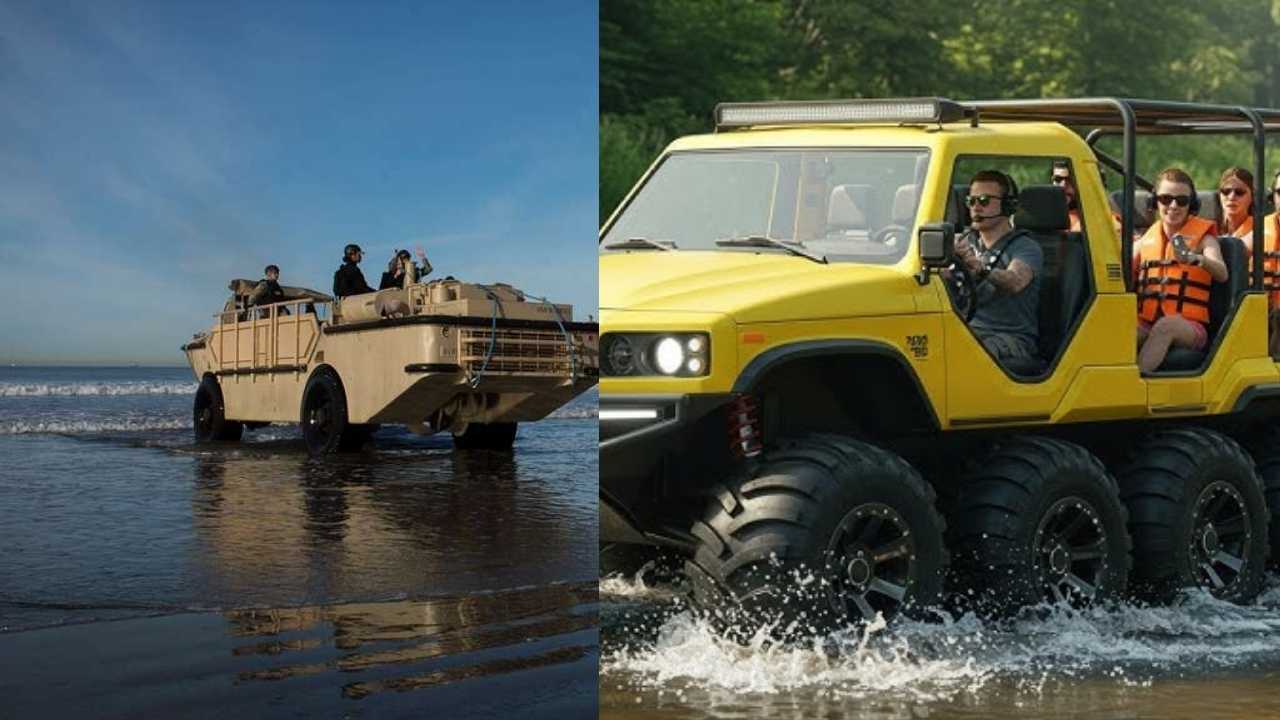
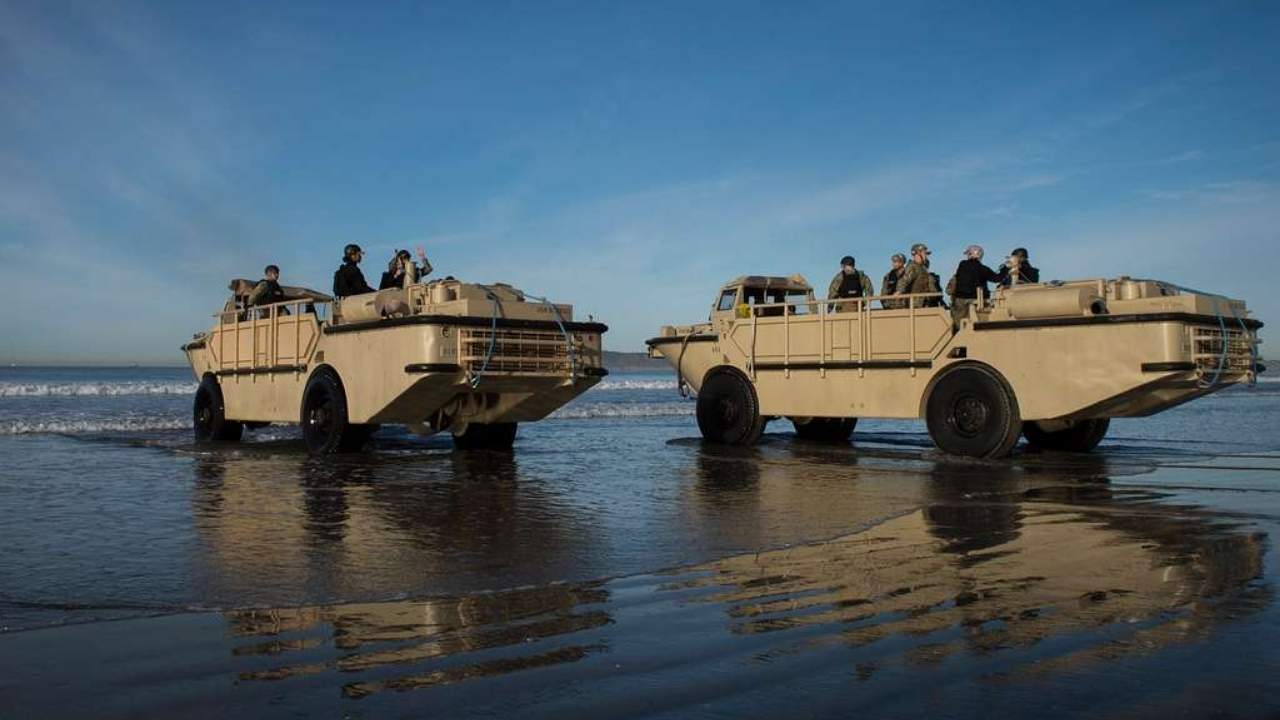
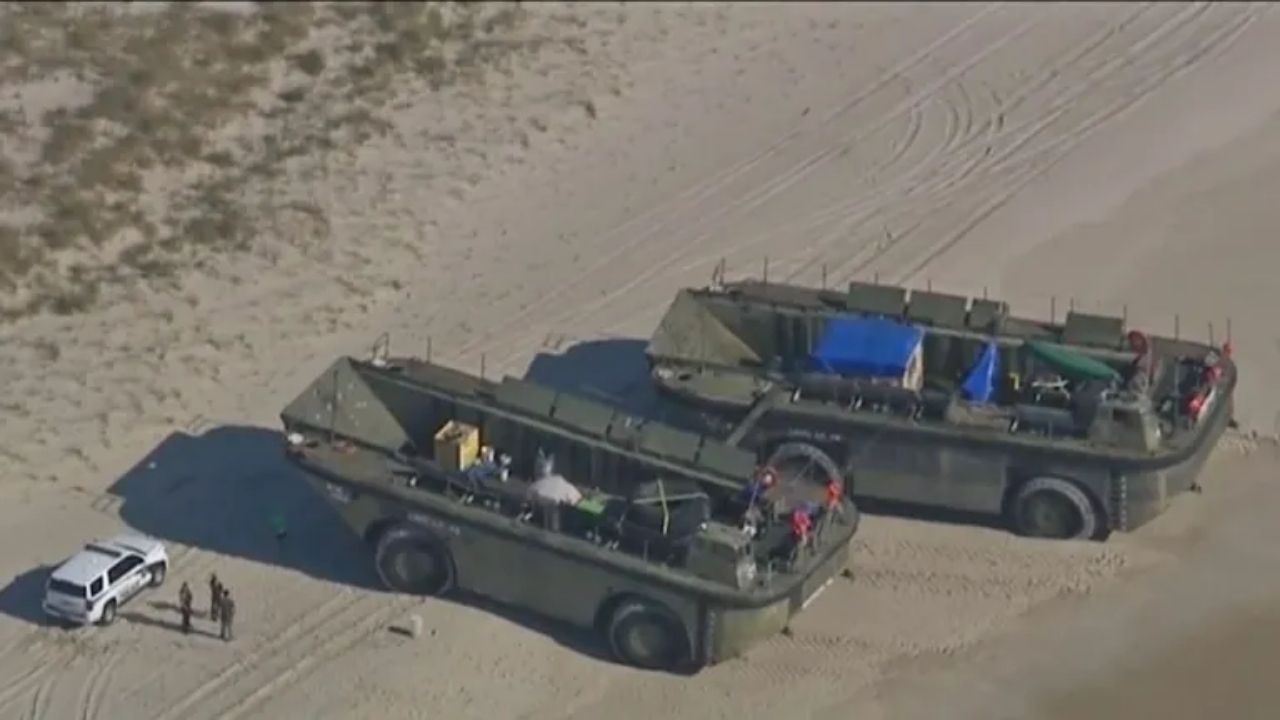
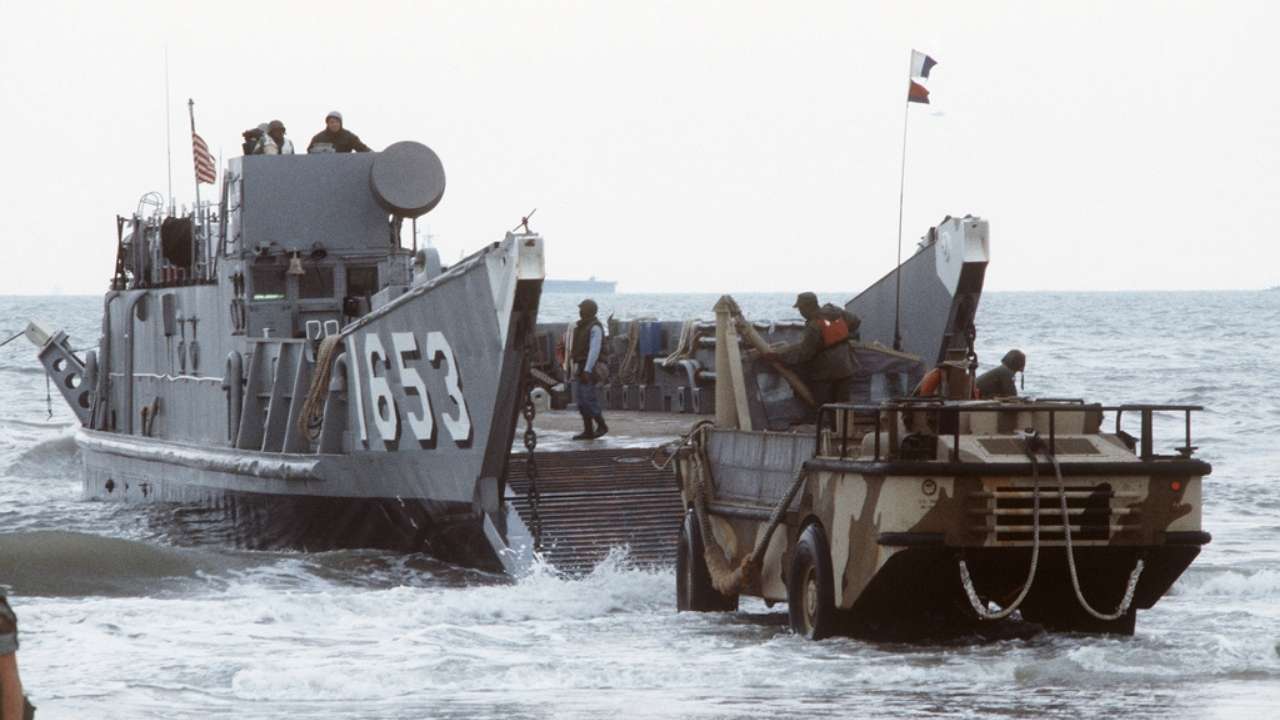
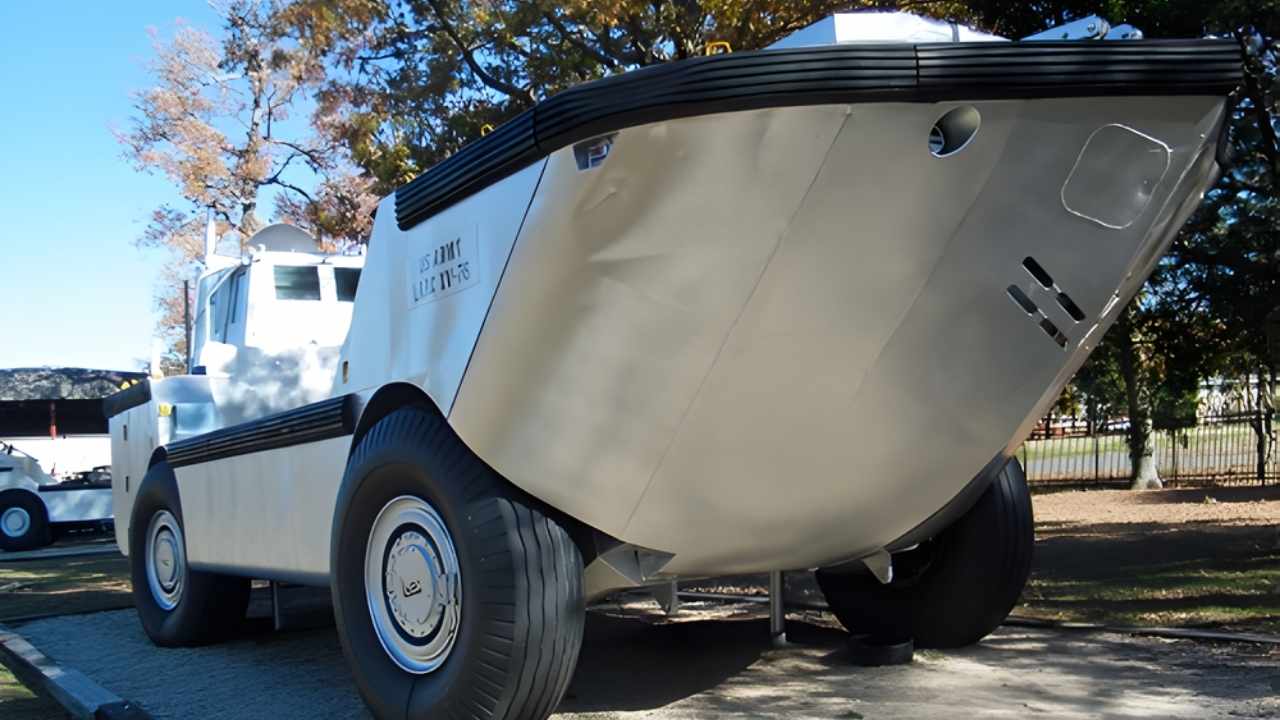
LARC vehicles are amphibious load carriers, but selecting the right one is more important than just understanding what they do, since a poor choice can quickly turn into a practical headache.
Several LARC versions exist, each built with different limits, sizes, and working strengths, so knowing these differences is essential before deciding which LARC fits your situation best.
This article focuses on how to choose the best LARC vehicle by comparing real needs with real conditions, helping readers make careful decisions instead of rushing in with excitement.
Understanding Why You Need a LARC Vehicle
Selecting a LARC should begin with clarity, because hauling supplies, assisting operations, training use, or static display all require very different vehicle capabilities and practical compromises.

When the purpose is unclear, people often end up with an unsuitable LARC, creating extra costs, limited usability, and ongoing frustration that thoughtful planning could have prevented early.
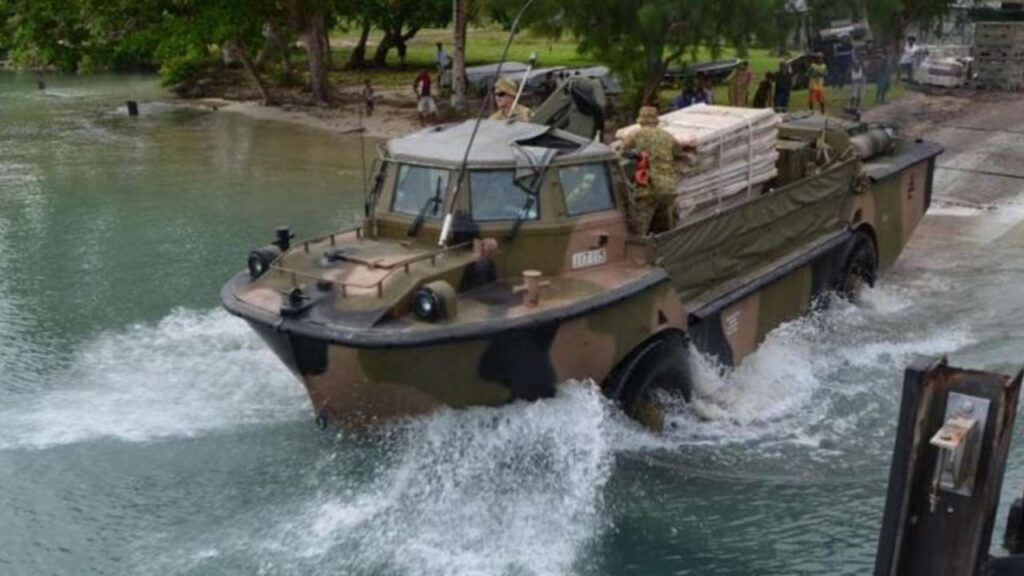
Different Types of LARC Vehicles Available
Understanding available LARC types helps narrow choices early, since each model was designed around a certain load range and working style rather than universal performance.
| LARC Type | Best Use | Key Limitation |
|---|---|---|
| LARC-V | Medium cargo movement and support tasks | Limited carrying capacity |
| LARC-XV | Heavy cargo and vehicle transport | Large size and higher costs |
| LARC-LX | Extremely heavy load operations | Rare and difficult ownership |
Load Capacity & Size Considerations
Load capacity should guide decisions strongly, because exceeding limits risks damage and safety issues, while buying far more capacity than needed increases cost and operating difficulty. When reviewing load and size needs, consider these points carefully –

- Maximum weight you truly need to move.
- Storage and maneuvering space availability.
- Transport limits between operating locations.
Operating Environment & Terrain
Operating environment matters because water depth, wave action, shoreline type, and ground surface all influence how smoothly a LARC moves and how often repairs may be required. Before deciding, think through these environmental factors –
- Typical water depth and wave conditions.
- Shoreline type, such as sand, mud, or rocks.
- Land surfaces like soft ground or paved areas.
Condition & Maintenance History
Vehicle condition is critical, since corrosion, engine wear, seals, and past maintenance quality affect reliability far more than production year for older amphibious vehicles in service.
Availability of Parts & Support
Parts availability should never be ignored, because many LARC vehicles lack easy supply chains, making repairs slower, more expensive, and dependent on fabrication or specialist knowledge.

Budget and Ownership Reality
Budget planning must include ownership reality, as fuel, storage, transport permits, insurance, routine servicing, and unexpected failures can quickly outweigh the original purchase price over time.
Quick LARC Choice Comparison
A simple comparison table can help beginners connect vehicle type with practical situations, keeping focus on choosing suitability instead of chasing size or reputation alone.
| Situation | Suitable LARC Type | Important Note |
|---|---|---|
| Small beach cargo runs | LARC-V | Easier handling and storage |
| Moving vehicles ashore | LARC-XV | Requires space and planning |
| Industrial heavy lifting | LARC-LX | Support resources are limited |
Who Should & Should Not Buy a LARC
A LARC suits buyers with clear long-term use, space, patience, and resources, but it may frustrate hobbyists expecting convenience, frequent use, or simple maintenance routines. Ask yourself these questions honestly –

- Do you have a consistent purpose?
- Can you support ongoing maintenance?
- Are limitations clearly acceptable?
Choosing Smart, Not Big
Selecting the right LARC is about patience and honesty, aligning real needs with real limits, because careful choices reduce risk, simplify ownership, and prevent costly regret over time.