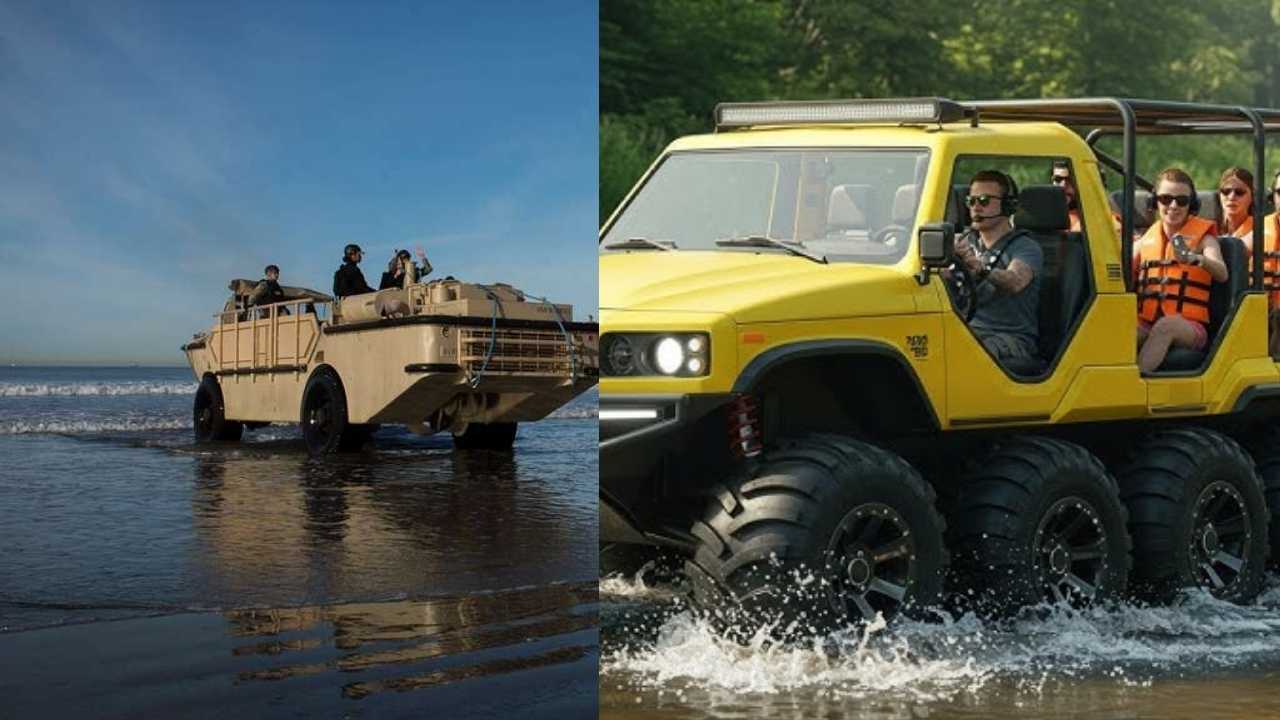
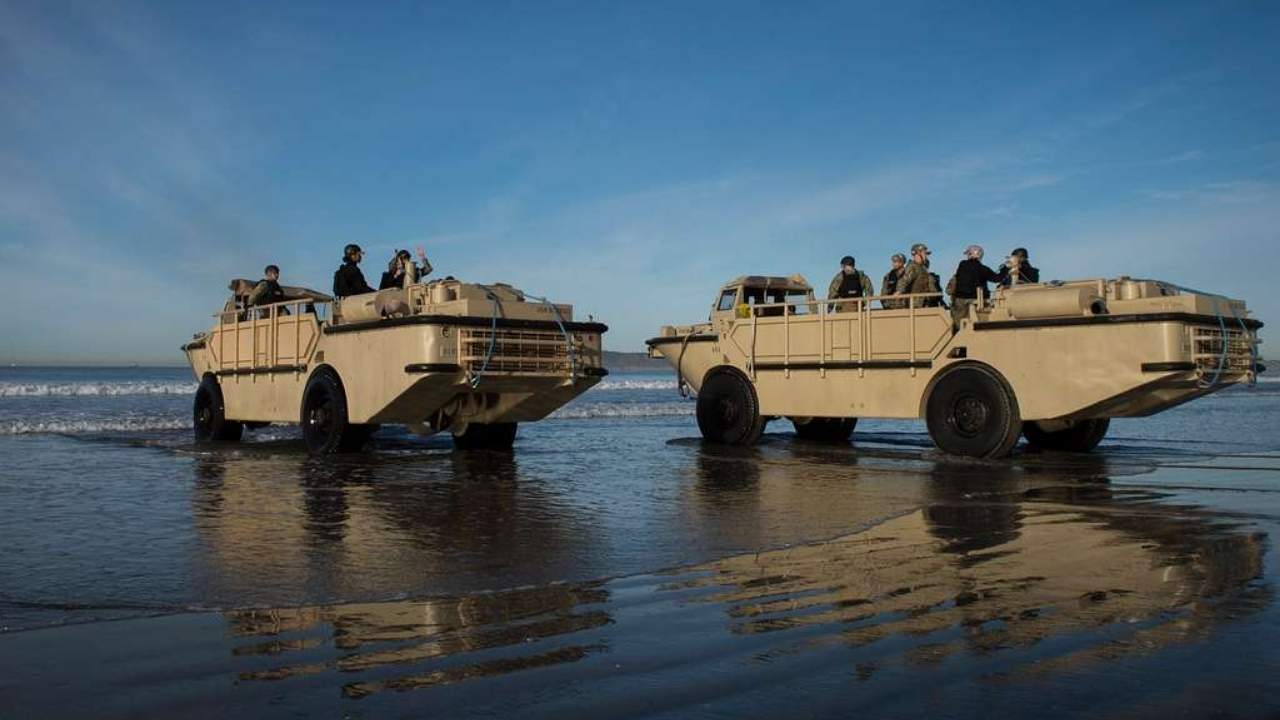
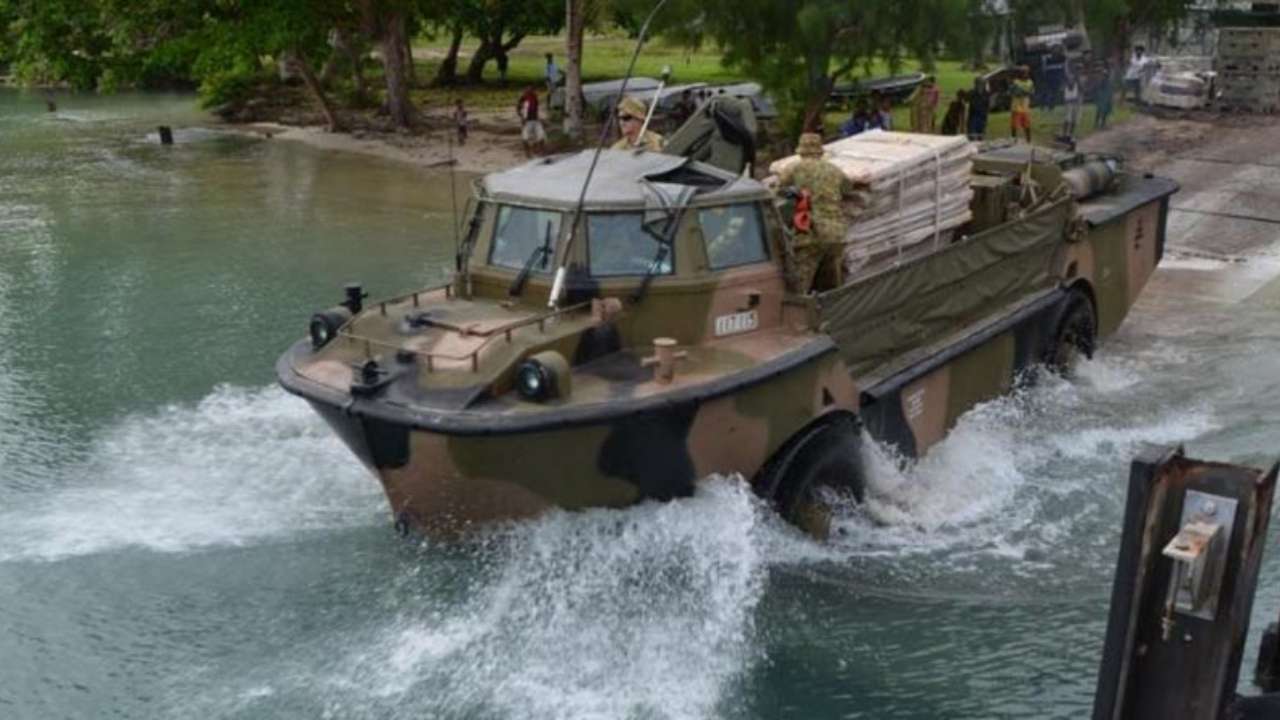
Standing on a coastline, most people expect to see boats in the water and trucks on land. The idea of a truck slowly moving through ocean waves feels unusual and almost unreal. Yet this exact scene once happen regularly in real operations.
The LARC vehicle was built to cross the line between sea and land without stopping. It could leave a ship, travel through open water, and continue its journey inland while carrying heavy cargo.
Although the LARC never became famous among the public, its role was critical wherever shore access was difficult. Its story is not about speed or beauty, but about purpose and problem-solving.
The Ocean-Driving Truck Known as LARC
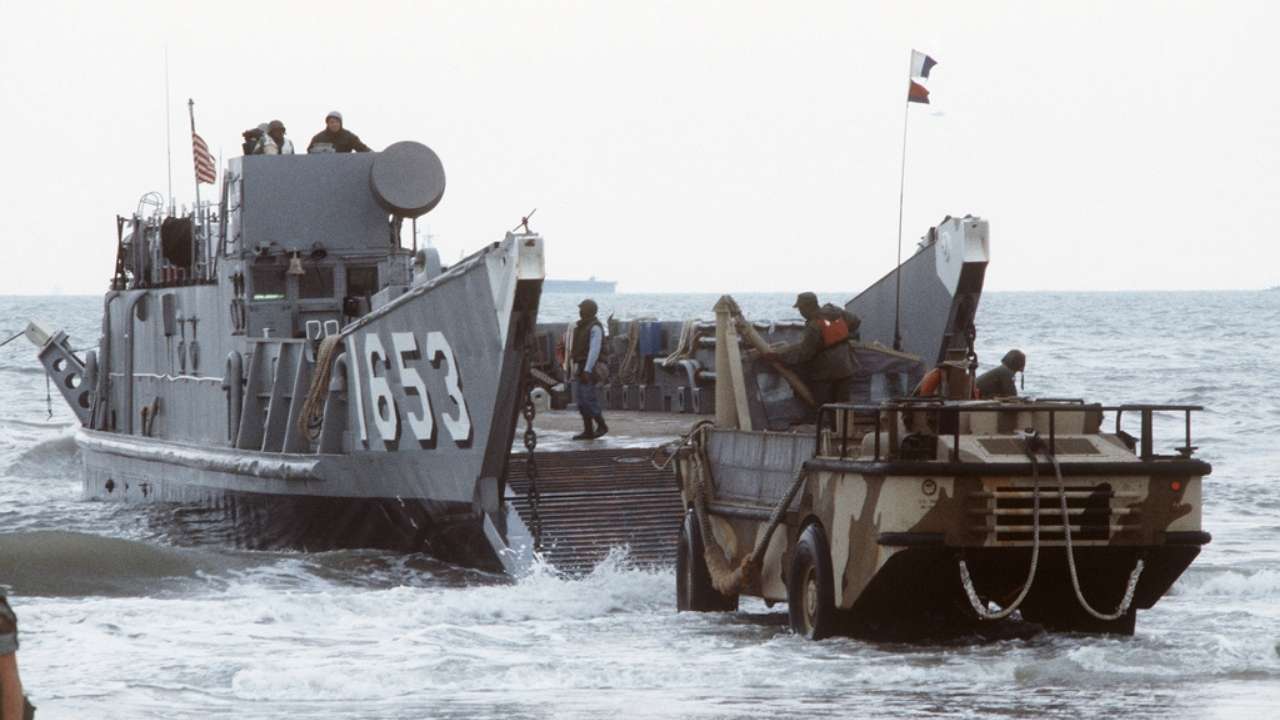
The Lighter Amphibious Resupply Cargo (LARC) was design as a working machine, not a showpiece. Its job was to carry supplies from ships directly onto land without unloading along the way.
Instead of depending on ports or special landing equipment, the LARC acted as its own delivery system. It could leave a ship, move through seawater, reach the shore, and continue inland without interruption.
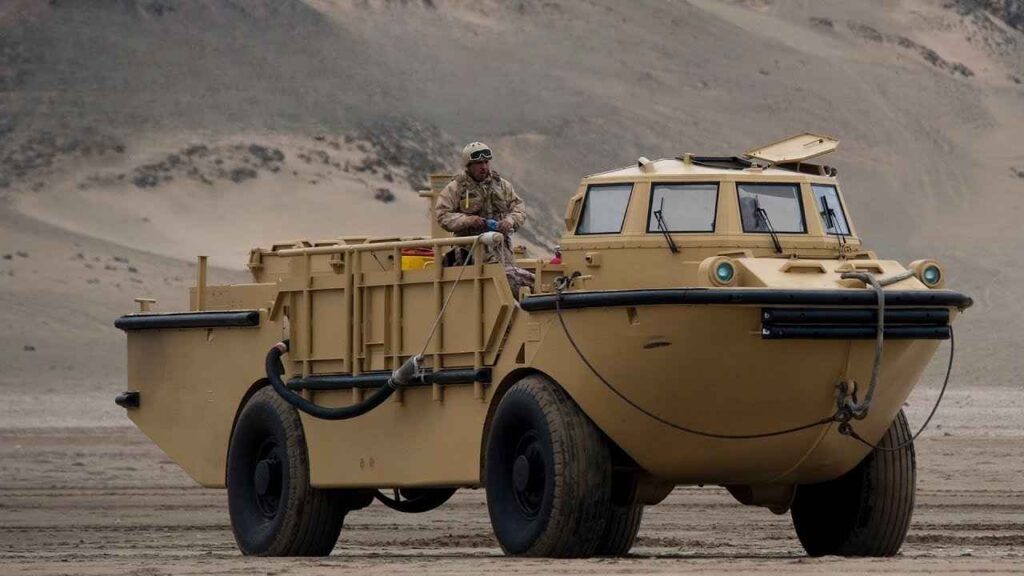
Truck That Drove Out of Ocean
| Feature | Description |
|---|---|
| Vehicle Type | Amphibious cargo truck |
| Main Purpose | Ship-to-shore transport |
| Operating Areas | Ocean, beach, land |
| Design Focus | Strength and stability |
| Defining Ability | Direct sea-to-land movement |
Through this table is is clear that why the LARC was built as a working solution rather than a novelty.

How the LARC Drives From Water onto Land?
The moment when the LARC leaves the ocean is its most remarkable feature. While floating, the vehicle uses marine propulsion to move forward through water.
As it reaches shallow areas, the wheels begin to touch the seabed. Once traction is strong enough, the LARC continues moving using its tires and climbs onto land.
This transition happens smoothly and without external help, allowing the vehicle to keep moving toward its destination.
Need of Designing Truck to Exit Ocean
Many coastal regions lack proper facilities for large ships. In emergencies or military operations, waiting to build docks or unload cargo slowly was not an option.
Engineers needed a vehicle that could handle these challenges without relying on fixed infrastructure. The solution was not more construction, but more mobility.

The LARC was created to remove the shoreline as a barrier. It allowed cargo to move where traditional transport systems simply could not function.
How LARC Truck Was Built For Sea & Shore?
The LARC’s design may look unusual, but every part of it served a purpose. Its body was shaped to remain stable in water, while its massive wheels allowed it to handle sand, mud, and uneven ground.
The materials used were chosen to survive harsh conditions, including constant contact with saltwater and heavy cargo loads. Strength mattered more than appearance.
Rather than elegance, the LARC focused on balance, durability, and reliability in both environments.
Inside the LARC: A Cabin Made For Control
Stepping inside the LARC reveals a workspace, not a comfort zone. The interior is basic, with no advanced electronics or luxury features.

Drivers relied on simple instruments and clear visibility to operate the vehicle safely. This was especially important when approaching shorelines, where water depth and terrain could change suddenly.
Handling a vehicle that moves between ocean and land required focus and experience, making the driver’s role critical.
What Made LARC Truck Unique Among Vehicles?
Several qualities set the LARC apart from ordinary trucks and boats:
- Ability to travel through open water.
- Capability to climb directly onto shore.
- Heavy-duty construction for extreme conditions.
- Independence from docks, cranes, or ports.
These features allowed the LARC to operate where traditional transport systems could not.
Different LARC Trucks, Same Ocean-Crossing Mission
The LARC was produced in multiple versions to handle different cargo needs. Smaller models were easier to control, while larger ones carried extremely heavy loads.

Despite differences in size, every LARC follow the same principle. Each one was expected to move independently from ship to shore without support. This shared mission made the LARC adaptable across many operations.
The Slow End of Ocean Truck Era
As ports expands and modern unloading technology improved, the need for amphibious cargo trucks declined. Over time, LARC vehicles were removed from regular service.
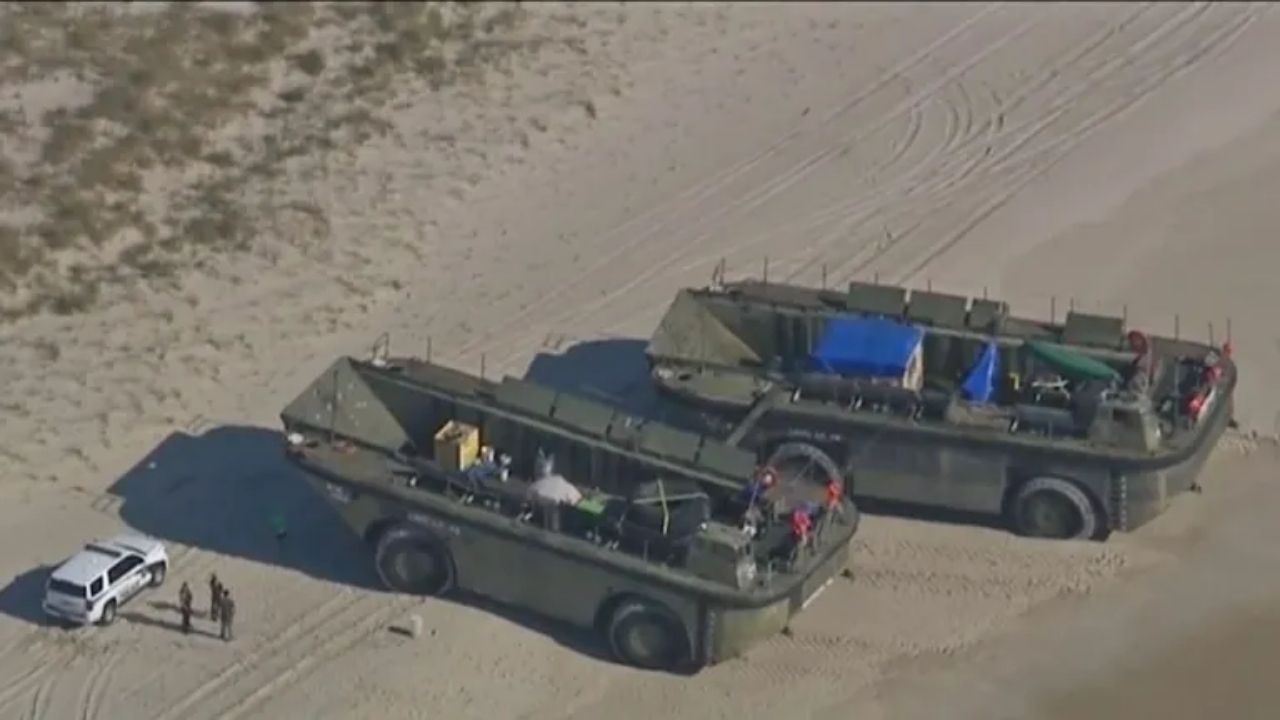
Some were preserved in museums, while others were retired completely. Today, they are mostly seen in historical footage or special exhibits. Even now, the image of a truck emerging from the sea remains striking.
Why the Ocean-Driving LARC Still Matters
The LARC represents a time when engineering focused on solving real problems with clear ideas. It showed that land and sea transport did not have to be separate systems.
By combining both into one vehicle, the LARC changed how people thought about access and mobility in difficult environments. Its design may belong to the past, but its concept remains powerful.
The truck that drove out of the ocean proved that boundaries exist only until someone builds a way to cross them.