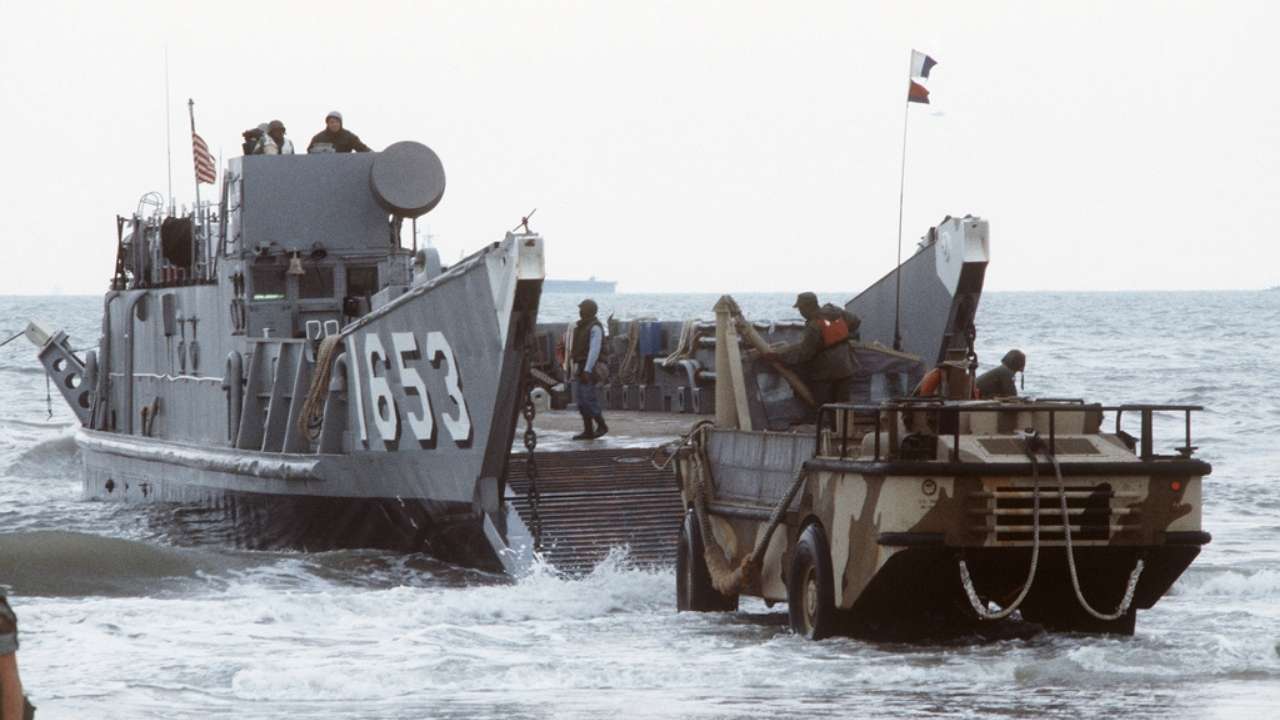
Sometimes, ships waited near the shore for a long time. The crew watched the beach, but the port was broken or too small, so they could not unload anything.
Other times, there was no port at all. Storms or damage made it impossible for ships to come closer. Supplies stayed on board, and people had to wait.
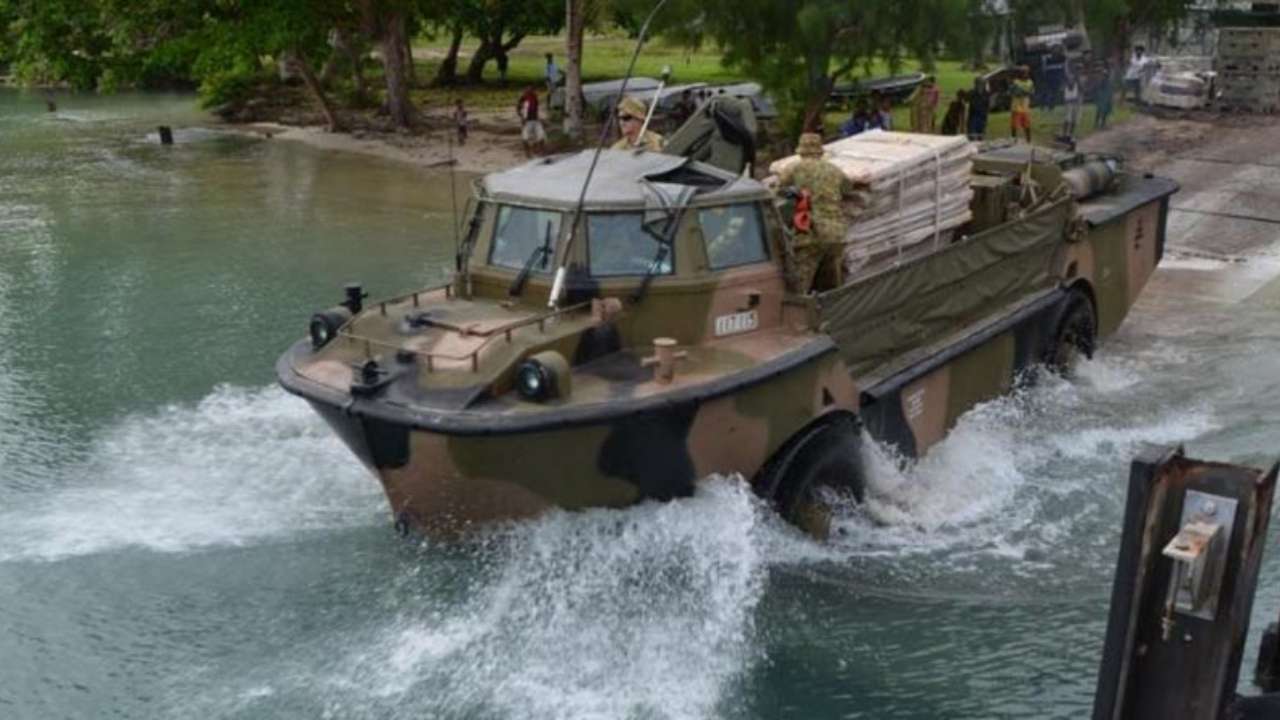
This problem was tricky. Ships had goods to deliver, but no proper way to get them to land. That is when LARC came in. It could go from water to land easily.
Why Ships Could Not Reach Ports?
Many missions took place in locations without proper docking facilities. Beaches were irregular, tides unpredictable, and existing docks could not handle heavy vehicles or large shipments.
Some ports destroyed or were never built. Ships could not simply anchor and unload; crews had to wait offshore and look for other ways to get cargo to land.

The Challenge of Unloading Without Docks
When ports failed, small boats had to shuttle cargo repeatedly. Supplies could fall into water, get wet, or damaged. This method was slow, stressful, and labor-intensive.
Weather made the situation worse. High waves, sudden storms, or shifting sands meant delays, increasing the chance of accidents or lost equipment.

How LARC Connected Sea & Land?
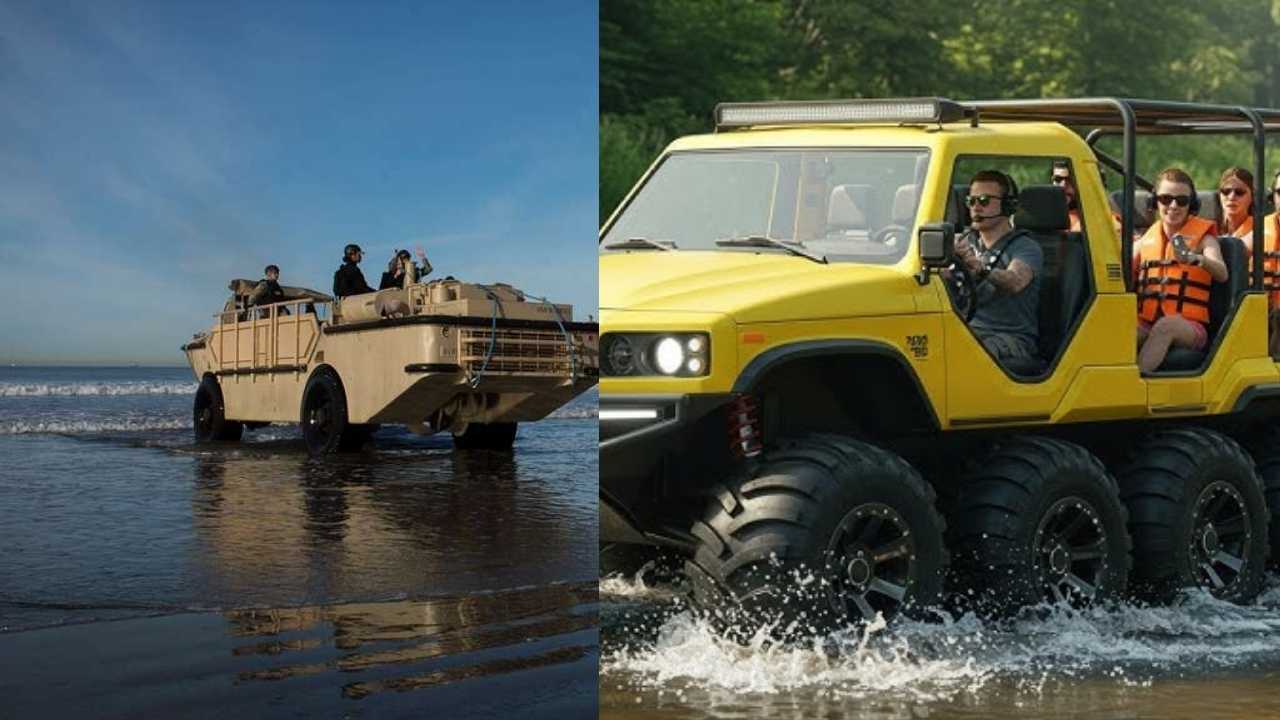
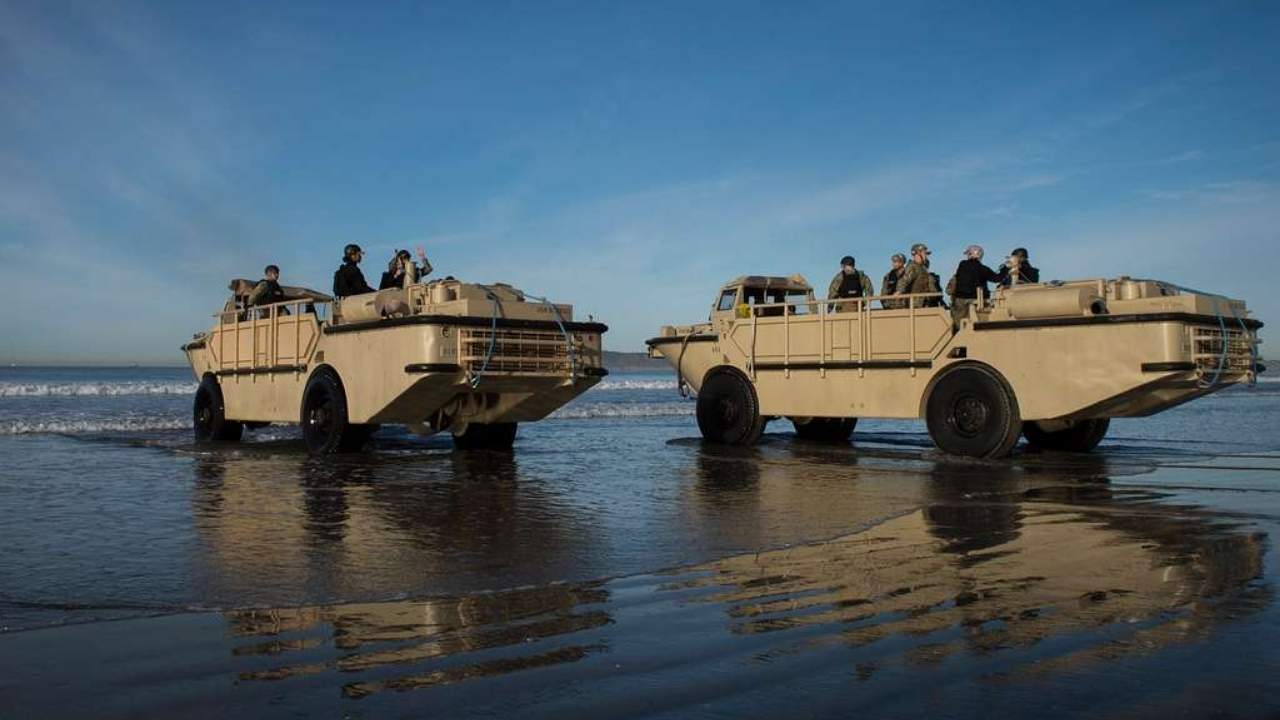
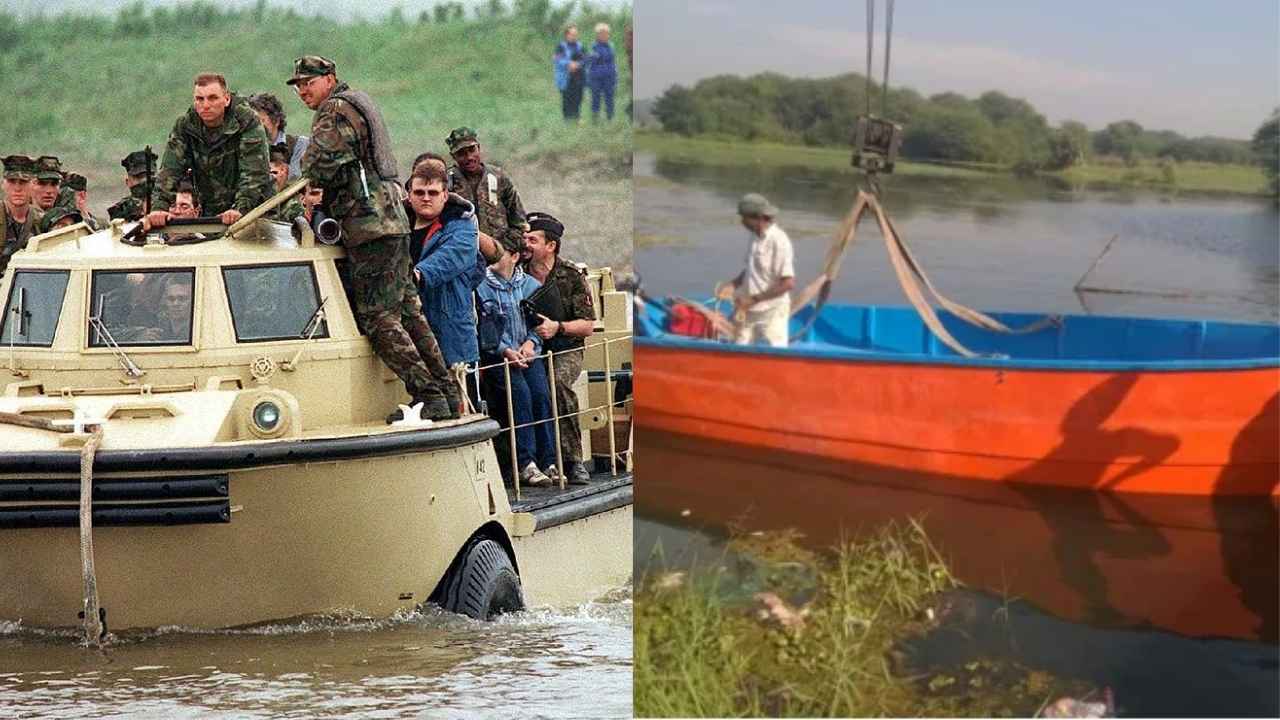
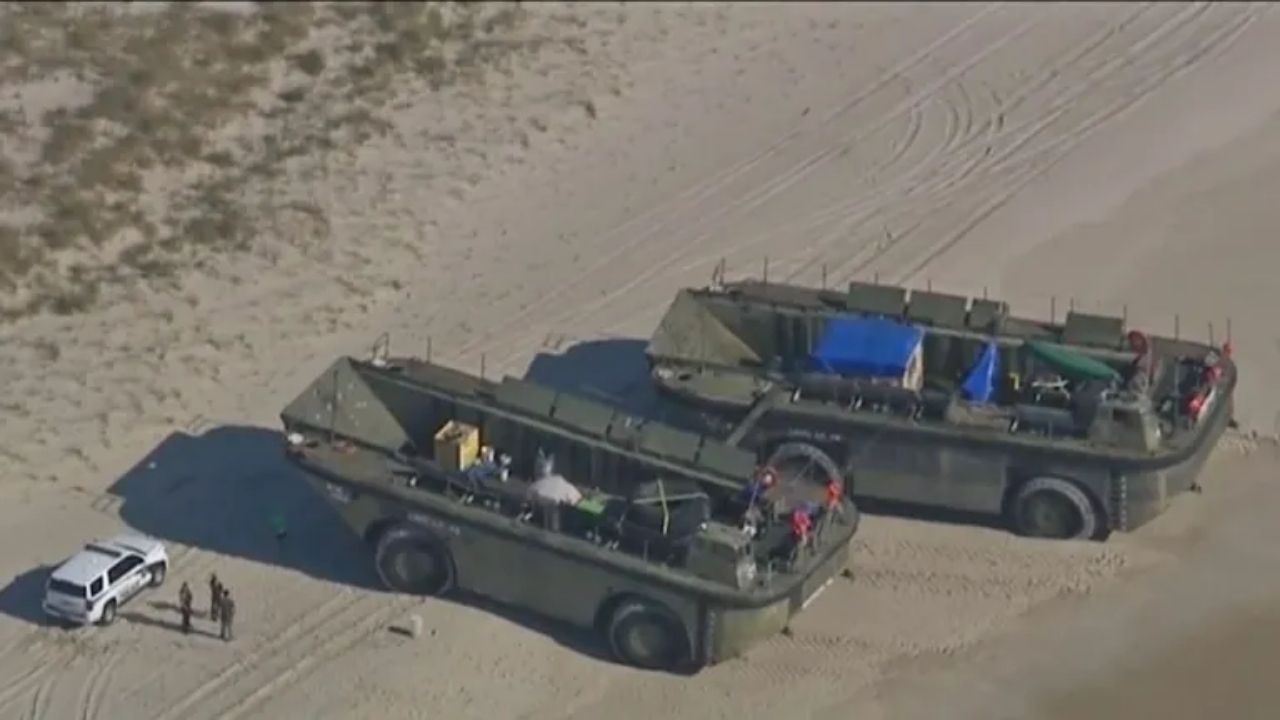
LARC was built to solve this problem. It could float in water and then drive onto land, carrying supplies in one trip. No need to move cargo multiple times.
This saved time and reduced mistakes. Supplies reached the shore faster, and crews could finish their work without waiting for special docks.

Practical Benefits
- No need to build temporary docks or ramps
- Supplies reached shore faster and more safely
- Fewer people required for unloading
Why LARC Looked Simple?
LARC was large and boxy, with a flat deck and sturdy frame. Its shape focused on carrying cargo steadily rather than speed or fancy design. Some design highlights are –
- Flat, Wide Deck – Could carry vehicles, crates, or fuel.
- High Clearance – Allowed movement over sand, rocks, or uneven ground.
- Easy Controls – Crews learned to operate it quickly.
This simplicity made it reliable and easy to maintain, even in remote or rough conditions.
How LARC Reduced Delays & Risk?
By combining several steps into one, LARC simplified unloading. Fewer handoffs meant fewer mistakes, less exposure to waves, and more predictable delivery schedules.

Other practical advantages included –
- Less waiting offshore during bad weather.
- Fewer boats needed for shuttling cargo.
- Reduced chance of damaging supplies.
This made operations smoother and safer, even in challenging environments.
LARC’s Uses Beyond Combat
Although built for military missions, LARC proved helpful in other scenarios. It transported supplies to disaster-hit areas, remote construction sites, and islands without ports.
Its practical design made it useful anywhere regular docking facilities were missing, showing that simple solutions can have multiple applications.

Why the Military Trusted LARC
Commanders appreciated LARC for its flexibility. It allowed operations to continue even when ports were destroyed, maps were incomplete, or coastlines were unpredictable.
Reports highlighted its reliability. Being able to move cargo directly from ship to shore gave planners confidence that vital supplies would reach their destination on time.
LARC’s Key Features
| Feature | Real-World Benefit |
|---|---|
| Operates on water and land | No need for docks or ramps |
| Large cargo deck | Fewer trips needed per shipment |
| Simple mechanical system | Easy maintenance in remote areas |
| Stable, slow movement | Safer handling of cargo and equipment |
A Simple Reflection
LARC did not fix every problem, but it solved one very important issue. Ships could deliver cargo even when ports were broken or missing.
It shows that simple, practical tools can make a big difference. Even today, ideas like LARC help plan for places with weak or no infrastructure.