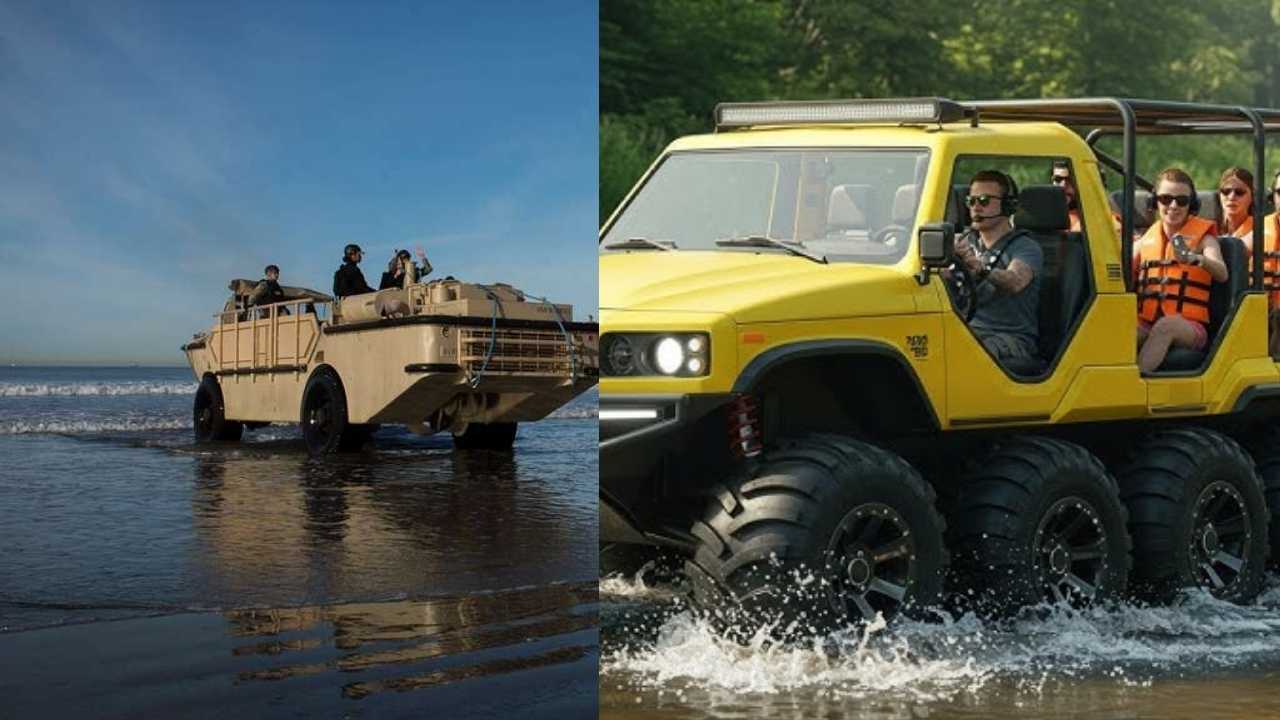
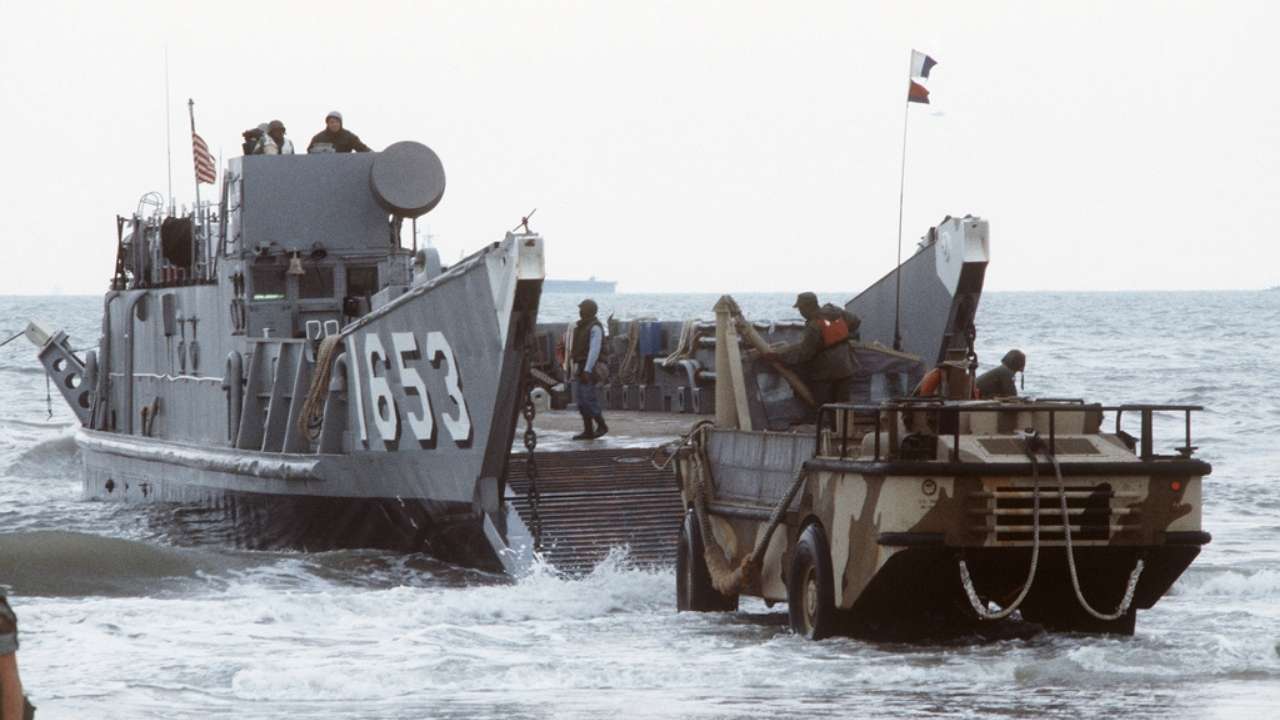
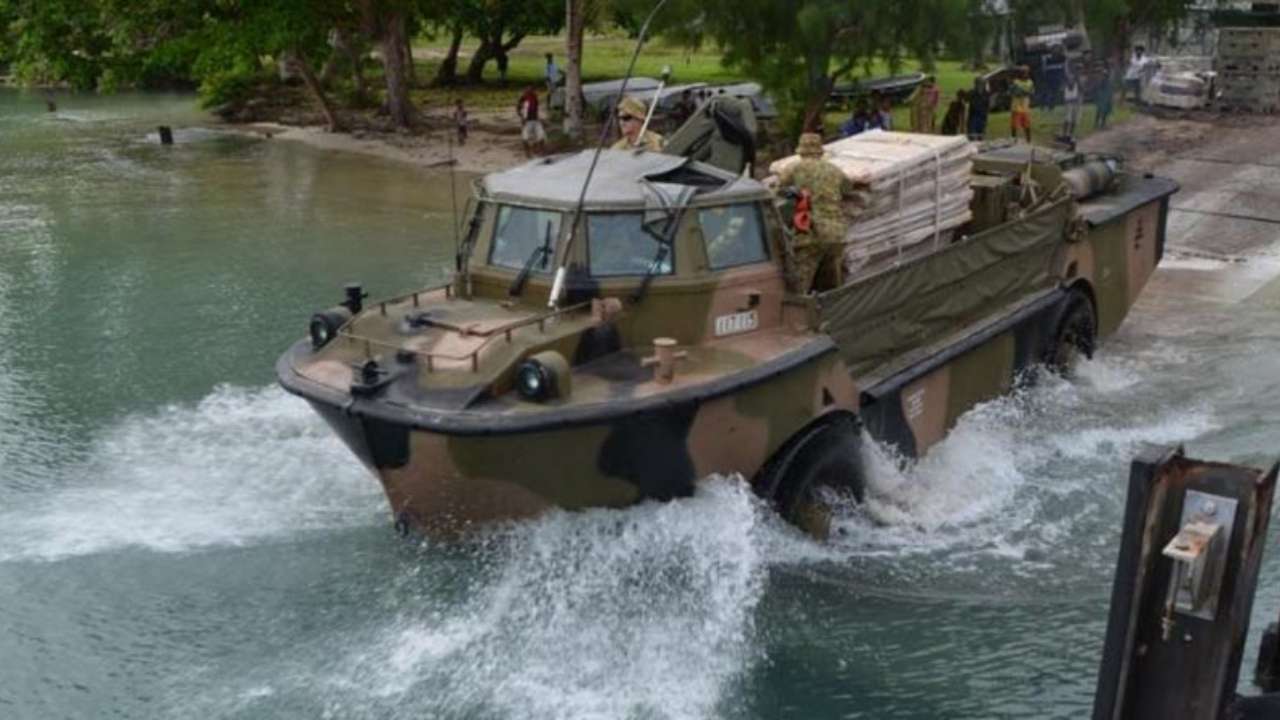
Seeing a truck enter the ocean feels wrong at first, but the U.S. military created such a vehicle to solve supply problems where roads ended, ports were damaged, and ships could not unload safely.
This idea was not born from creativity alone. It came from real missions where soldiers waited on land, ships waited offshore, and supplies were stuck between water and beach.
Understanding why the U.S. military built a swimming truck explains how serious problems push people to think differently, especially when traditional vehicles fail in difficult coastal environments.
The Supply Challenge That Forced New Thinking
Military forces depend heavily on supplies, yet many operations took place in regions without working harbors, where docks were destroyed or shallow waters blocked large ships.
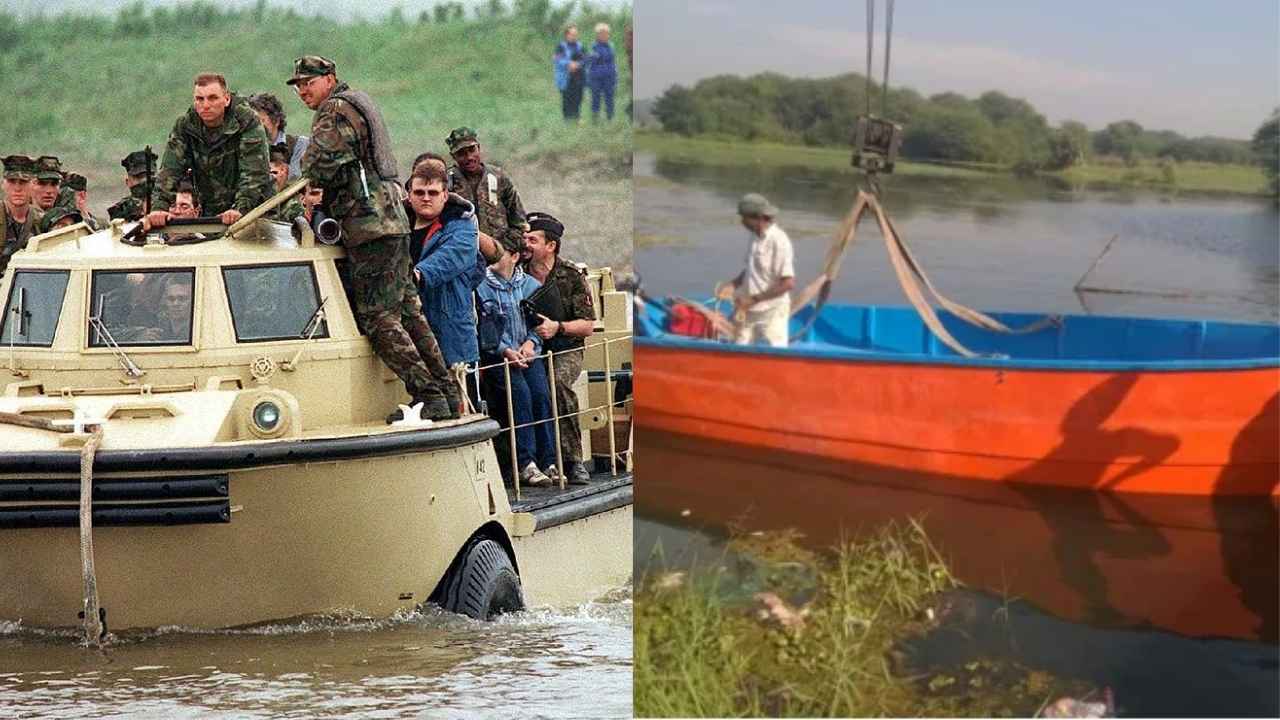
Using small boats helped in some cases, but they moved slowly, carried limited weight, and required repeated trips, increasing delays and risks during time-sensitive operations.

Shape Chosen For Work, Not Beauty
The swimming truck had a bulky, simple shape because stability and strength mattered more than appearance when operating in waves and carrying heavy military supplies.
Its design avoided unnecessary complexity, focusing instead on durability, balance, and ease of use under stressful conditions and unfamiliar environments. Important Design Choices Includes –
- Watertight body to keep it afloat.
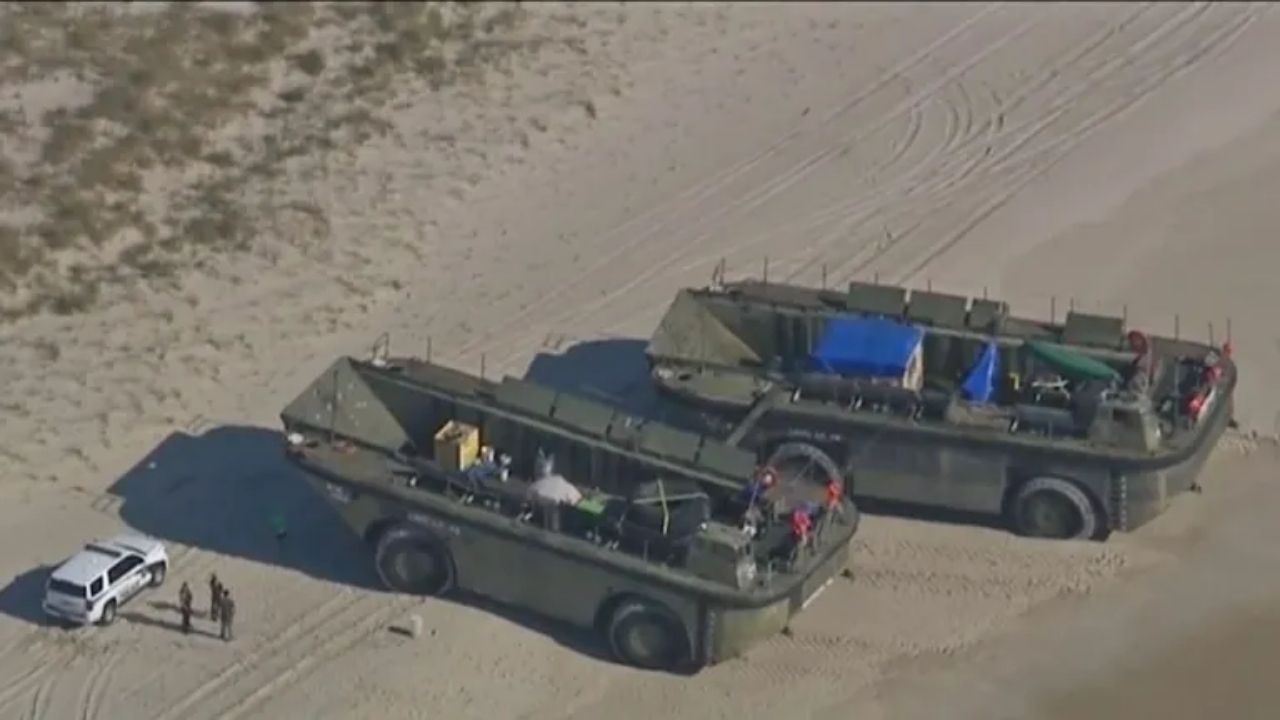
- Oversized tires for sand and soft ground.
- Strong engines for heavy cargo.
- Basic controls to reduce errors.
These features allowed crews to operate the vehicle confidently even during rough weather or urgent missions.
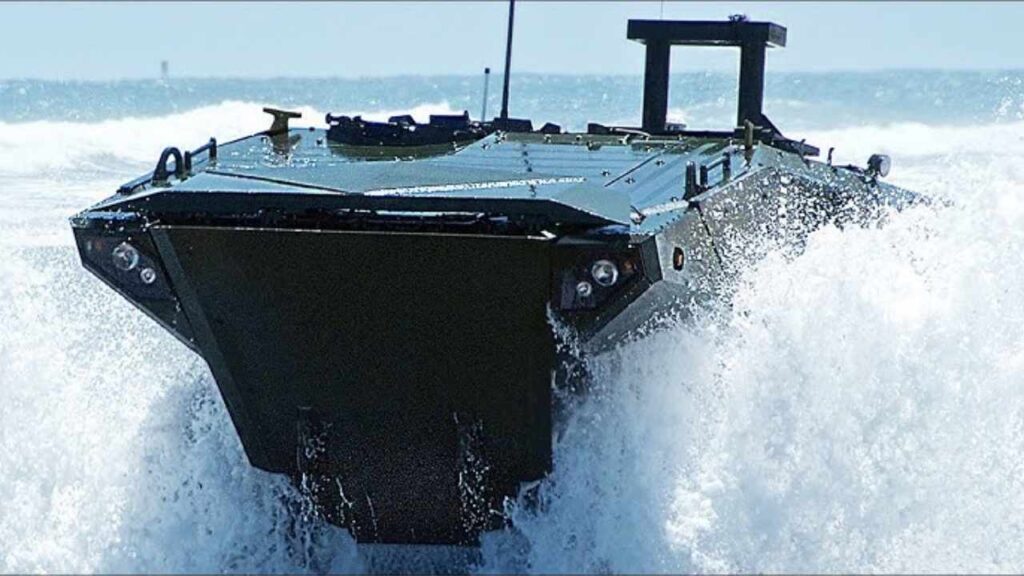
The Idea Behind a Swimming Truck
Instead of rebuilding ports everywhere, planners considered a new approach by asking whether one vehicle could handle both water and land without changing equipment.

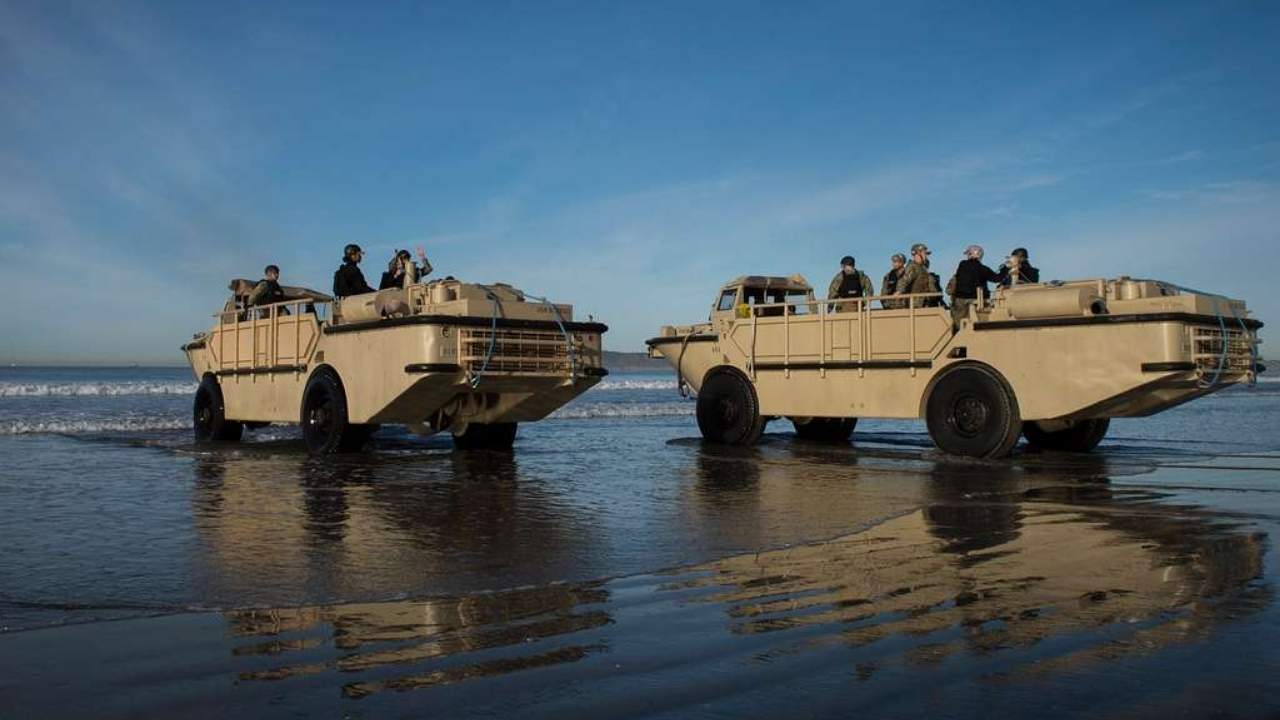
This thinking led to the Lighter Amphibious Resupply Cargo vehicle, or LARC, which was designed to float like a boat and drive like a truck when reaching shore.
Reducing Steps in Military Supply Chains
Before amphibious trucks, supplying troops required several vehicles working together, creating delays and confusion when cargo moved from ship to boat and then to truck.
The swimming truck removed these extra steps by allowing supplies to travel directly from offshore ships onto land without stopping or changing transport methods.
This improvement resulted in –

- Faster unloading operations.
- Fewer vehicles involved.
- Reduced manpower requirements.
- Lower chance of damage or loss.
By simplifying logistics, the military improved reliability during coastal operations where time and safety were critical.
Features That Helped It Work Everywhere
The LARC was valuable because it adapted to different environments, moving through water, across beaches, and onto damaged roads without needing assistance.
| Capability | Benefit |
|---|---|
| Floating travel | Reached shore without docks |
| Land mobility | Continued inland movement |
| Heavy carrying ability | Transported large equipment |
| Terrain flexibility | Worked on sand and mud |
This versatility reduced planning complexity and allowed missions to continue even when conditions changed suddenly.
The Vehicle’s Role Outside the Battlefield
Although built for military missions, the swimming truck later proved helpful during floods and emergencies, when water covered roads and blocked normal vehicles.

Its ability to operate where land and water mixed made it useful for relief work and construction projects in difficult coastal and swampy areas.
Thinking Ahead For Future Missions
Developing a swimming truck require resources and testing, but military leaders understood that future missions might lack working ports or safe infrastructure.
The LARC gave forces independence, allowing supplies to move forward even when geography, damage, or conflict removed traditional transportation options.
What This Swimming Truck Teaches Us?
The U.S. military built a truck that could swim because ordinary answers were not enough for extraordinary situations.
This vehicle shows how practical needs can lead to unusual ideas that work when nothing else can, even if they look strange at first.